Table of Contents
- The Physiology of Environmental Exposure
- Essential Components of Severe Weather Sheltering
- Strategic Urban Planning for Climate Resilience
- Comparison of Emergency Weather Response Strategies
- Challenges in Coordination and Resource Allocation
- Long-Term Impact and Preventive Measures
- Frequently Asked Questions
- Conclusion
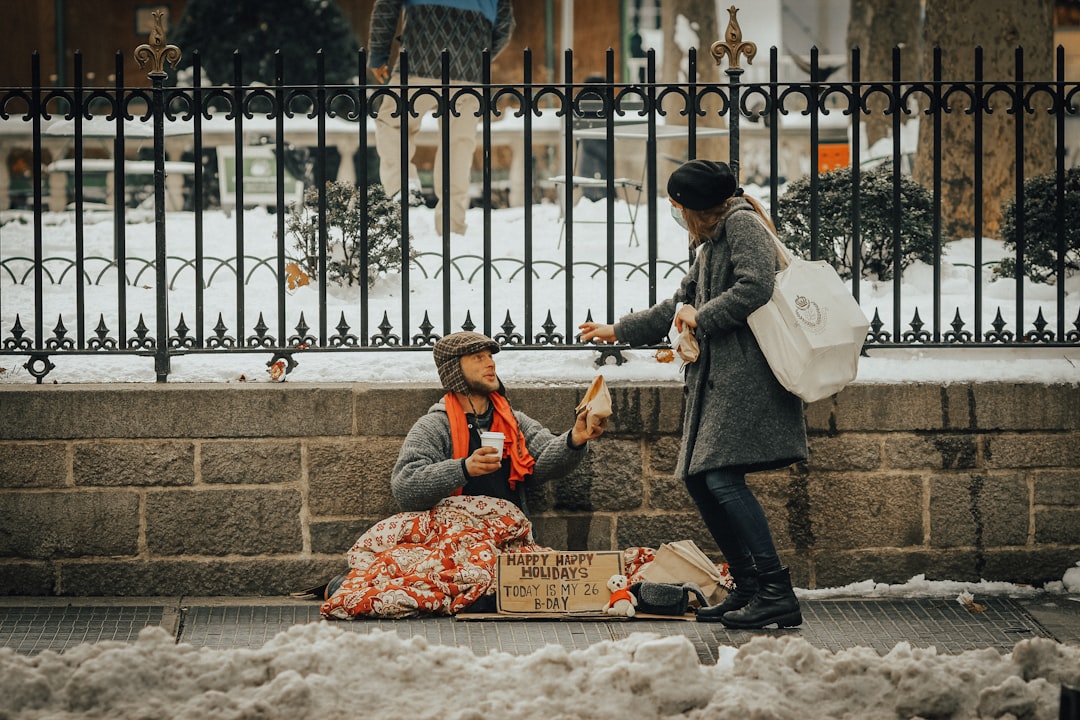
Emergency weather response for homeless populations represents a critical intersection of public health, urban planning, and humanitarian logistics. When extreme temperatures, severe storms, or natural disasters strike, individuals experiencing homelessness face disproportionate risks due to limited access to climate-controlled environments and protective resources. Developing robust, scalable, and proactive systems is essential to preventing preventable fatalities and managing the long-term impacts of climate-related trauma on vulnerable groups.
The Physiology of Environmental Exposure
Exposure to extreme cold and heat triggers distinct physiological responses that can rapidly escalate into life-threatening emergencies. During winter months, hypothermia remains the primary concern, occurring when the body loses heat faster than it can produce it. For those living in unsheltered conditions, the lack of thermal insulation and the presence of moisture—often from rain or snow—significantly accelerates heat loss. Conversely, during summer, extreme heat waves pose a severe threat through heat exhaustion and heatstroke. Vulnerability is heightened by underlying health conditions, such as cardiovascular disease or respiratory issues, which often remain unmanaged in transient populations. Effective emergency weather response for homeless populations requires recognizing that the threshold for medical distress is significantly lower for individuals without consistent access to shelter.Essential Components of Severe Weather Sheltering
Establishing effective emergency shelter operations requires more than merely opening doors. A comprehensive approach involves several operational pillars designed to prioritize safety and accessibility.- Low-Barrier Access: Policies that remove traditional requirements, such as identification checks, sobriety mandates, or pet restrictions, are vital to ensuring that the most vulnerable populations utilize available resources.
- Climate-Controlled Environments: Facilities must provide adequate heating or cooling systems, along with backup power generation to ensure continuous operation during grid instability.
- Outreach and Transportation: Dedicated mobile teams are necessary to locate individuals in encampments and provide safe passage to shelters, as many may be hesitant to leave their belongings or familiar territory.
- Interdisciplinary Support: Integrating medical staff, mental health professionals, and social workers into the shelter environment allows for real-time assessment of health risks and connection to long-term housing solutions.
Strategic Urban Planning for Climate Resilience
City planners and municipal agencies play a pivotal role in long-term resilience by integrating homelessness services into broader disaster management frameworks. This involves mapping high-risk areas where unsheltered populations frequently congregate, such as underpasses, parks, or industrial zones. By pre-positioning supplies—including high-quality thermal blankets, cooling stations, and water distribution points—in these specific zones, agencies can respond more rapidly when weather forecasts turn severe. Furthermore, establishing permanent, year-round cooling and warming centers reduces the reliance on temporary, reactive measures, allowing for more consistent service delivery and improved trust between the community and administrative bodies.Comparison of Emergency Weather Response Strategies
| Strategy | Primary Benefit | Operational Challenge |
|---|---|---|
| Mobile Outreach Teams | Proactive reach to isolated individuals | High resource and personnel intensity |
| Low-Barrier Warming/Cooling Centers | Immediate safety from elements | Maintaining capacity during peak demand |
| Voucher-Based Hotel Programs | Private, dignified space | Dependence on private sector cooperation |
| Permanent Supportive Housing | Long-term climate protection | Slow development and high capital cost |
Challenges in Coordination and Resource Allocation
One of the primary obstacles in emergency weather response for homeless populations is the fragmentation of services across different government levels and non-profit organizations. Effective response requires a unified command structure where data on bed availability, weather patterns, and population distribution are shared in real-time. Resource allocation often faces hurdles related to funding cycles, as emergency budgets are frequently reactive rather than proactive. Creating sustainable funding streams that allow for the immediate activation of emergency protocols—without the need for lengthy bureaucratic approval—can mean the difference between life and death during sudden extreme weather events.Long-Term Impact and Preventive Measures
Beyond immediate survival, emergency weather response for homeless populations must address the broader context of housing instability. Every weather-related incident serves as a reminder of the fragility of life without stable housing. Preventive measures include the expansion of “Housing First” initiatives, which provide individuals with permanent housing without prerequisites, thereby removing them from the cycle of environmental exposure altogether. When individuals are securely housed, their resilience to weather events increases significantly, reducing the burden on emergency services and local hospitals. Investing in the infrastructure of care—ranging from reliable electricity in low-income housing to the development of climate-resilient shelters—is a fundamental component of public safety.Frequently Asked Questions
What defines a low-barrier shelter in the context of weather response? A low-barrier shelter minimizes entry requirements, such as requiring participants to be sober or to provide documentation, to ensure that the most vulnerable individuals can access safety during life-threatening weather.
How can municipalities better reach unsheltered individuals during a heat wave? Effective reach requires the deployment of mobile outreach teams that travel to known encampments with water, electrolyte replacements, and information about the location and transport options for the nearest cooling center.
Why is it important to allow pets in emergency shelters? Many individuals experiencing homelessness are reluctant to seek shelter if it requires them to abandon their pets, which often serve as their primary source of companionship and protection. Pet-friendly policies significantly increase shelter utilization.
What is the role of data in weather response? Data allows for the identification of geographic hotspots where homeless populations are most concentrated, enabling agencies to pre-position resources and optimize the deployment of support services.
How does climate change influence homelessness response? Increasingly frequent and severe weather events require cities to move away from temporary, reactive measures toward permanent, climate-resilient infrastructure that can support vulnerable populations year-round.
Conclusion
Addressing the needs of individuals during extreme weather is a fundamental aspect of community safety and public health. An effective emergency weather response for homeless populations demands a shift from reactive, short-term interventions toward a coordinated, proactive system that prioritizes human dignity and physical safety. By integrating mobile outreach, low-barrier access, and long-term housing strategies, municipalities can significantly reduce the risk of exposure-related fatalities. The ongoing development of these systems remains a vital responsibility for policymakers, service providers, and the broader community, ensuring that the most vulnerable residents are protected regardless of the environmental challenges ahead. Moving forward, the focus must remain on building resilient networks that provide consistent support, ultimately bridging the gap between temporary emergency relief and the stability of permanent housing.

Comments are closed