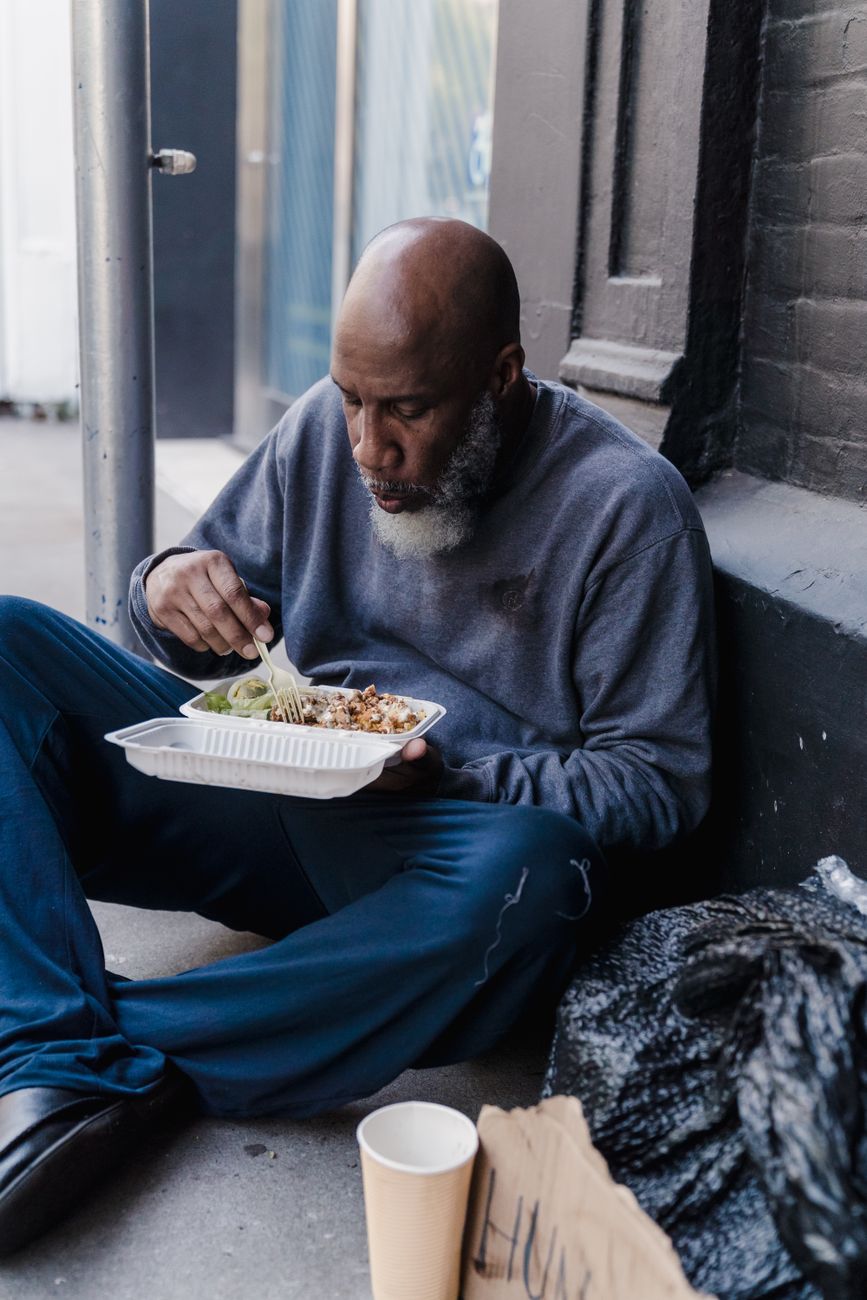
The stability of a household’s nutritional intake is fundamentally tied to housing security. When families lack a permanent residence, the ability to procure, store, and prepare healthy meals is severely compromised. These nutrition challenges faced by homeless families create a cycle of health disparities that often begin in childhood and persist into adulthood. Without access to a kitchen or reliable refrigeration, dietary choices are dictated by convenience, affordability, and shelf-stability rather than nutritional value. This environment creates a reliance on calorie-dense, nutrient-poor foods, which directly contributes to higher rates of obesity, diabetes, and developmental delays in children.
The Impact of Housing Instability on Dietary Quality
Housing instability acts as a primary determinant of health. When a family resides in a shelter, a vehicle, or temporary motel accommodations, the physical infrastructure necessary for food preparation is absent. Most emergency shelters have strict policies regarding food storage, and motels often lack functional stoves or refrigerators. Consequently, families are forced to rely on fast food or pre-packaged snacks purchased from convenience stores.
These items are typically high in sodium, trans fats, and processed sugars. Research indicates that the lack of regular access to a refrigerator limits the consumption of fresh fruits and vegetables, which perish quickly. Furthermore, the financial burden of purchasing ready-to-eat meals is significantly higher than cooking from scratch, further depleting the limited resources available to these families for other essential needs like clothing or medicine.
Barriers to Food Security and Nutritional Access
Beyond the physical limitations of meal preparation, several systemic barriers contribute to the nutrition challenges faced by homeless families. One significant hurdle is the “food desert” phenomenon, where families living in temporary housing are often located in areas with limited access to grocery stores that stock fresh produce. Public transportation issues further exacerbate this, as carrying heavy bags of groceries on buses or trains is impractical for parents with young children.
Additionally, the reliance on food pantries and emergency meal programs, while vital, does not always ensure nutritional balance. Many donated food items are non-perishable canned goods, which are frequently high in sodium and preservatives. While these programs provide necessary calories to prevent hunger, they often fail to meet the complex micronutrient requirements of growing children or adults managing chronic health conditions.
Physiological and Developmental Consequences
The long-term effects of poor nutrition during childhood are well-documented. Children experiencing homelessness are at a higher risk for iron-deficiency anemia, which can impair cognitive development and academic performance. The constant stress of housing insecurity combined with inadequate caloric intake leads to a state of “toxic stress,” which disrupts the body’s metabolic processes.
| Nutrient Concern | Primary Source of Deficiency | Potential Health Outcome |
|---|---|---|
| Iron | Lack of fresh produce/meat | Anemia, cognitive impairment |
| Vitamin D | Limited sunlight and poor diet | Bone health issues, weakened immunity |
| Fiber | Reliance on processed foods | Digestive issues, long-term obesity |
| Protein | Limited access to fresh storage | Muscle mass loss, stunted growth |
The table above illustrates how specific nutritional gaps translate into tangible health risks. When families cannot access nutrient-dense foods, the cumulative effect is a heightened susceptibility to infectious diseases and a slower recovery time from common illnesses.
The Role of Supplemental Nutrition Programs
Government-funded programs like the Supplemental Nutrition Assistance Program (SNAP) and the Special Supplemental Nutrition Program for Women, Infants, and Children (WIC) are essential tools for mitigating hunger. However, these programs face challenges regarding utilization among the homeless population. Registration often requires a permanent mailing address, and the stigma associated with these programs can deter families from seeking assistance.
Even when families obtain benefits, the lack of cooking facilities renders many eligible food items unusable. Policy shifts that allow for the purchase of prepared hot foods or increase the flexibility of benefit usage in different jurisdictions are critical for addressing the nutrition challenges faced by homeless families. Strengthening these safety nets requires a multi-faceted approach that considers the logistical reality of living without a kitchen.
Strategies for Improving Nutritional Outcomes
Addressing the nutritional crisis among homeless families requires moving beyond emergency food distribution toward sustainable, systemic changes. One effective strategy is the integration of nutritional education within social service programs. Teaching families how to select the healthiest options from a food pantry or how to maximize the nutritional value of limited ingredients can empower parents to make better choices despite their circumstances.
Community-based initiatives that provide “mobile kitchens” or communal cooking spaces in shelters have shown promise. By providing a safe, clean environment where families can cook together, these programs reduce the reliance on processed foods and foster a sense of community. Furthermore, advocating for policies that mandate healthy food standards in homeless shelters is a vital step in ensuring that those who are most vulnerable have access to the basic building blocks of health.
Moving Toward Sustainable Solutions
The nutrition challenges faced by homeless families are deeply intertwined with the broader issue of affordable housing. As long as families are forced to live in environments that do not support basic human needs like food storage and preparation, the health disparities will remain. Solutions must be comprehensive, addressing not just the immediate need for calories, but the long-term requirement for a stable environment where healthy choices are physically and financially feasible.
Public health experts emphasize that providing housing is the most direct path to improving nutritional health. When families transition into permanent supportive housing, the ability to store fresh ingredients and cook nutritious meals is restored, which immediately impacts the health markers of both parents and children. Future policy efforts should prioritize the intersection of housing stability and nutrition to ensure that no family is forced to choose between having a roof over their head and eating a healthy meal. By addressing these systemic barriers, the cycle of health-related poverty can be effectively dismantled, creating a stronger foundation for the next generation.


Comments are closed