Table of Contents
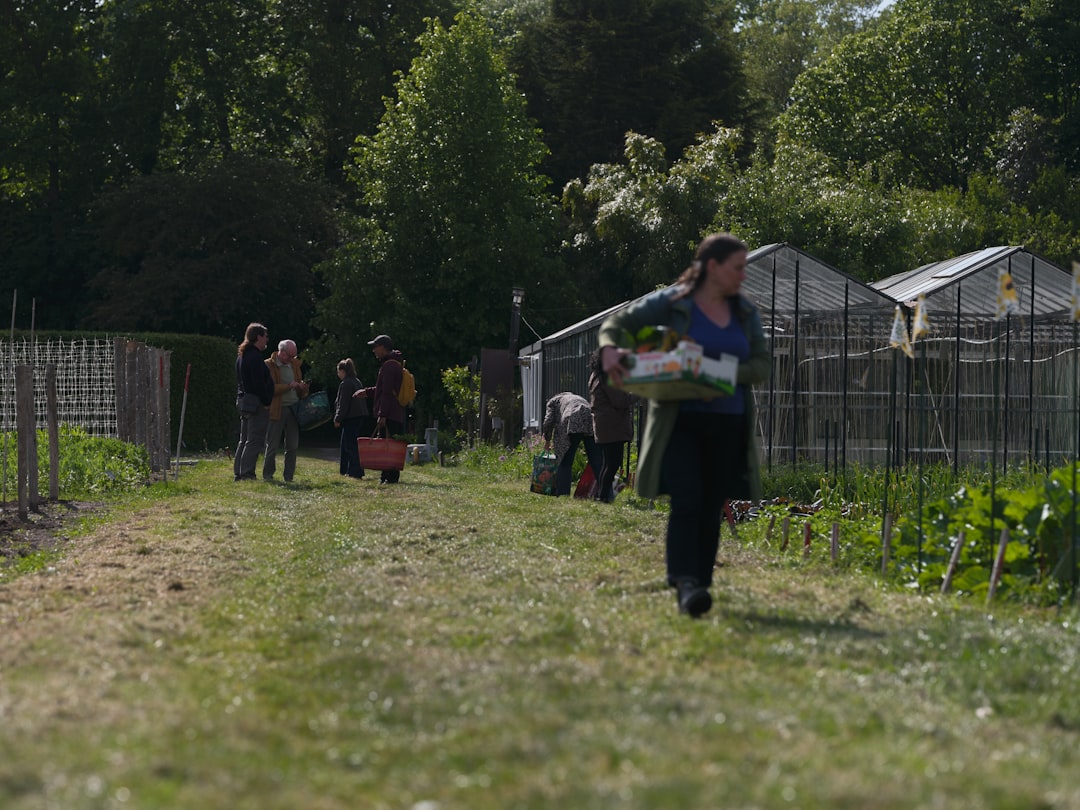
Food insecurity is a pervasive challenge that deeply intersects with housing instability and poverty. For individuals experiencing homelessness or living in transitional housing, accessing fresh, nutritious food is often secondary to finding shelter. This lack of access to fresh produce contributes heavily to chronic health conditions, such as diabetes and cardiovascular disease, among underprivileged populations. Community gardens are emerging as a powerful, localized response to this crisis. By transforming vacant urban lots into thriving agricultural spaces, these gardens provide direct access to fresh organic produce, foster community resilience, and offer therapeutic vocational opportunities for disadvantaged individuals.
The Intersection of Food Deserts and Housing Instability
Low-income neighborhoods and transitional housing facilities are frequently located in “food deserts”—areas that lack full-service grocery stores offering affordable, healthy food options. Instead, residents must rely on convenience stores, fast food, and emergency food pantries, which primarily stock non-perishable, processed items high in sodium and sugar. This structural disparity makes maintaining a healthy diet nearly impossible. Community gardens directly disrupt this cycle by establishing a local, sustainable supply of fresh, nutrient-dense fruits and vegetables right within the neighborhoods that need them most.
Comparing Emergency Food Systems and Community Gardens
While traditional emergency food systems (like food pantries and soup kitchens) are critical for immediate survival, community gardens offer distinct advantages for long-term health, skills, and community empowerment. The table below compares the two systems across key metrics:
| Metric / Feature | Emergency Food Pantries | Community Gardens |
|---|---|---|
| Nutrition Profile | High in processed/canned items, low in fresh greens | 100% fresh, organic produce (vegetables, herbs, fruits) |
| Dignity & Agency | Low (Receiving handouts; limited choice) | High (Growing own food; active participation) |
| Skills Acquired | None | Horticulture, pest management, crop planning |
| Social Impact | Transactional exchange | Community building, shared spaces, therapy |
| Cost Efficiency | Requires constant purchasing/donations of goods | Low ongoing costs after initial seed/soil setup |
Holistic Benefits: Therapy, Education, and Vocational Training
The impact of community gardens extends far beyond nutrition. Engaging in urban agriculture has been proven to have therapeutic benefits, reducing cortisol levels, mitigating symptoms of depression, and helping individuals process trauma. For shelter residents, the routine of planting, watering, and harvesting provides structure and a sense of accomplishment. Furthermore, gardens serve as outdoor classrooms where participants learn about soil biology, sustainable water use, and nutrition. Some programs even scale their gardens into social enterprises, training residents in commercial farming and selling produce at local farmers’ markets to generate revenue for shelter operations.
FAQ Section
1. How do community gardens help people who are currently unsheltered?
Community gardens provide a safe, welcoming day space for unsheltered individuals, offering access to clean water, fresh food, and community connection. Many gardens partner with mobile outreach teams to distribute harvested produce directly to encampments, ensuring that those without cooking facilities still receive fresh nutrients, like berries and raw greens.
2. Who manages these community gardens?
Gardens are typically managed by coalitions of local non-profit organizations, neighborhood volunteers, municipal parks departments, and university agricultural extensions. Some gardens located on shelter grounds are managed directly by shelter staff and resident committees, encouraging leadership development among residents.
3. How do participants cook the produce if they live in shelters?
Many programs coordinate cooking and nutrition classes on-site using communal shelter kitchens. They teach participants how to prepare healthy meals using fresh garden ingredients, safe food handling, and budget-friendly recipes. For unsheltered participants, gardens focus on growing easy-to-eat produce that requires no cooking (e.g., tomatoes, cucumbers, carrots, and fruit).
4. What is a “food desert,” and how does it relate to homelessness?
A food desert is an area, typically low-income, that lacks access to affordable, healthy food options within a reasonable walking distance (typically 1 mile in urban areas). Transitional housing and shelters are often built in industrial or low-income zones that are food deserts, making community gardens a vital intervention to provide fresh nutrition locally.
5. Can community gardens survive in cold winter climates?
Yes. Urban gardens utilize several winter strategies, including installing hoop houses or greenhouses, planting cold-hardy winter crops (such as kale, spinach, and garlic), and focusing on indoor seed starting, composting workshops, and tool maintenance during the winter months to maintain participant engagement.
6. How can an organization secure land for a community garden?
Organizations can secure land by partnering with city governments to lease vacant public lots for a nominal fee (often $1/year), obtaining land-use agreements for utility easements, or collaborating with local churches or schools that have unused green space. Many municipalities have dedicated urban agriculture programs to assist in land acquisition.
Conclusion
Community gardens are a powerful, multi-dimensional tool for improving food security and fostering E-E-A-T compliant community support. By providing direct access to organic produce, offering therapeutic outdoor activities, and teaching vocational skills, these gardens enrich the lives of disadvantaged populations. Investing in community-based urban agriculture creates healthier, more connected, and resilient neighborhoods, ensuring that nutritional equity is a fundamental part of the journey out of homelessness.


Comments are closed