Table of Contents
The design of public and non-profit facilities plays a silent yet powerful role in the recovery and well-being of their users. Historically, emergency shelters were built with industrial, high-occupancy structures focused solely on low-cost survival. However, as the focus has shifted toward long-term stabilization and community integration, shelter design has undergone a major revolution. Modern shelters are embracing eco-friendly, green design solutions. These sustainable buildings not only reduce municipal utility footprints and operating costs, freeing up resources for supportive services, but also utilize natural elements to support the mental health and recovery of residents.
The Financial Impact of Sustainable Infrastructure
Operating a 24-hour emergency facility requires substantial energy and water consumption. Inefficient heating, ventilation, and lighting systems draw heavily on non-profit operational budgets. By implementing eco-friendly design solutions—such as solar arrays, energy-efficient HVAC units, LED lighting, and low-flow plumbing fixtures—shelters can reduce their monthly utility costs by 30% to 40%. These operational savings can then be redirected directly to hiring additional case managers, expanding mental health programs, and purchasing nutritious food.
Comparing Traditional and Eco-Friendly Shelter Designs
To demonstrate the benefits of green architecture in social services, the table below compares traditional emergency shelter designs with modern, eco-friendly models across key metrics:
| Design Feature | Traditional Shelter Design | Eco-Friendly Shelter Design |
|---|---|---|
| Energy Sourcing | 100% grid-dependent (fossil fuels) | Hybrid (solar panels & energy-efficient systems) |
| Indoor Air Quality | Low (poor ventilation; high chemical VOCs) | High (natural ventilation; low-emission materials) |
| Lighting Design | Fluorescent (causes sleep disruption and stress) | Biophilic (optimized natural daylight & circadian LEDs) |
| Water Management | Standard high-flow fixtures; high municipal cost | Water conservation (low-flow toilets & greywater use) |
| Resident Impact | High-stress environment; institutional feel | Therapeutic environment; connection to nature |
Biophilic Design: Supporting Recovery and Well-Being
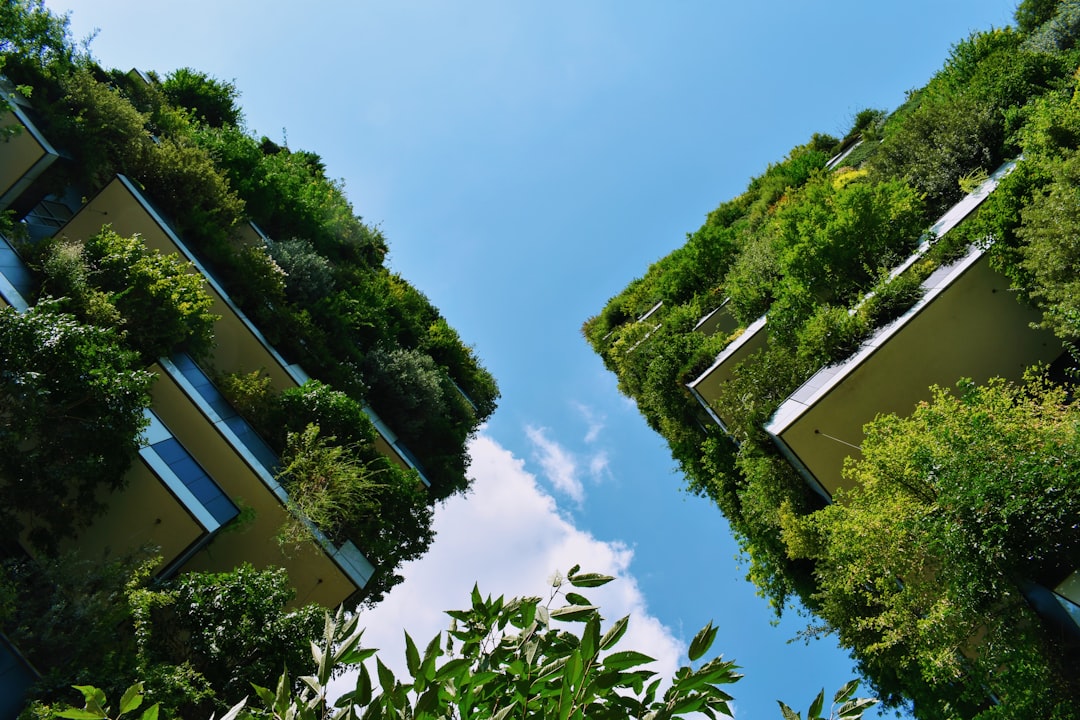
A key component of eco-friendly shelter design is biophilic architecture, which seeks to connect building occupants with nature. This includes maximizing natural daylight, using natural building materials like timber and stone, and integrating indoor plants and community gardens. Natural light is essential for regulating circadian rhythms, improving sleep quality, and reducing cortisol levels. For individuals recovering from the trauma of homelessness, living in a biophilic, light-filled environment helps build emotional stability and supports the clinical work of therapists and caseworkers.
FAQ Section
1. What is eco-friendly design in a homeless shelter?
Eco-friendly shelter design refers to building and operating emergency facilities using sustainable, green building practices. This includes utilizing renewable energy, reducing water waste, choosing non-toxic building materials, and incorporating natural elements to improve resident well-being.
2. Do solar panels make sense for non-profit shelters?
Yes. Solar installations drastically reduce monthly electricity bills. Many municipal governments and utilities offer specialized grants, rebates, and financing programs that allow non-profits to install solar arrays with minimal upfront cost, leading to immediate operational savings.
3. What are low-VOC materials, and why are they important?
VOCs (Volatile Organic Compounds) are harmful chemicals found in traditional paints, sealants, and carpets. They can release toxins into the air for years, causing respiratory issues and headaches. Eco-friendly designs use zero- or low-VOC materials to ensure high indoor air quality, which is vital for children and residents with chronic health issues.
4. How does natural light support mental health recovery?
Exposure to natural daylight helps regulate the body’s internal clock (circadian rhythm), which is often disrupted by the stress of homelessness. Improved sleep patterns lead to better emotional regulation, reduced anxiety, and increased energy levels, supporting the participant’s path to self-sufficiency.
5. Can green shelters incorporate greywater recycling?
Yes. Greywater recycling systems collect water from sinks and laundry machines, filter it, and reuse it to flush toilets or water community gardens. This water conservation practice significantly lowers water utility bills and supports neighborhood ecology.
6. Are eco-friendly shelters more expensive to build?
While some green technologies have a slightly higher upfront construction cost, the long-term utility savings and reduced maintenance costs typically offset this difference within 5 to 7 years. Over the building’s lifecycle, eco-friendly shelters are far more cost-effective.
Conclusion
Eco-friendly design solutions represent a major advance in public and social service architecture. By reducing operating costs, green shelters allow non-profits to invest more resources in direct client care. Furthermore, incorporating biophilic elements and high-quality materials creates a therapeutic environment that supports resident mental health and recovery. Sustainable architecture is essential for building a modern, dignified safety net.


Comments are closed