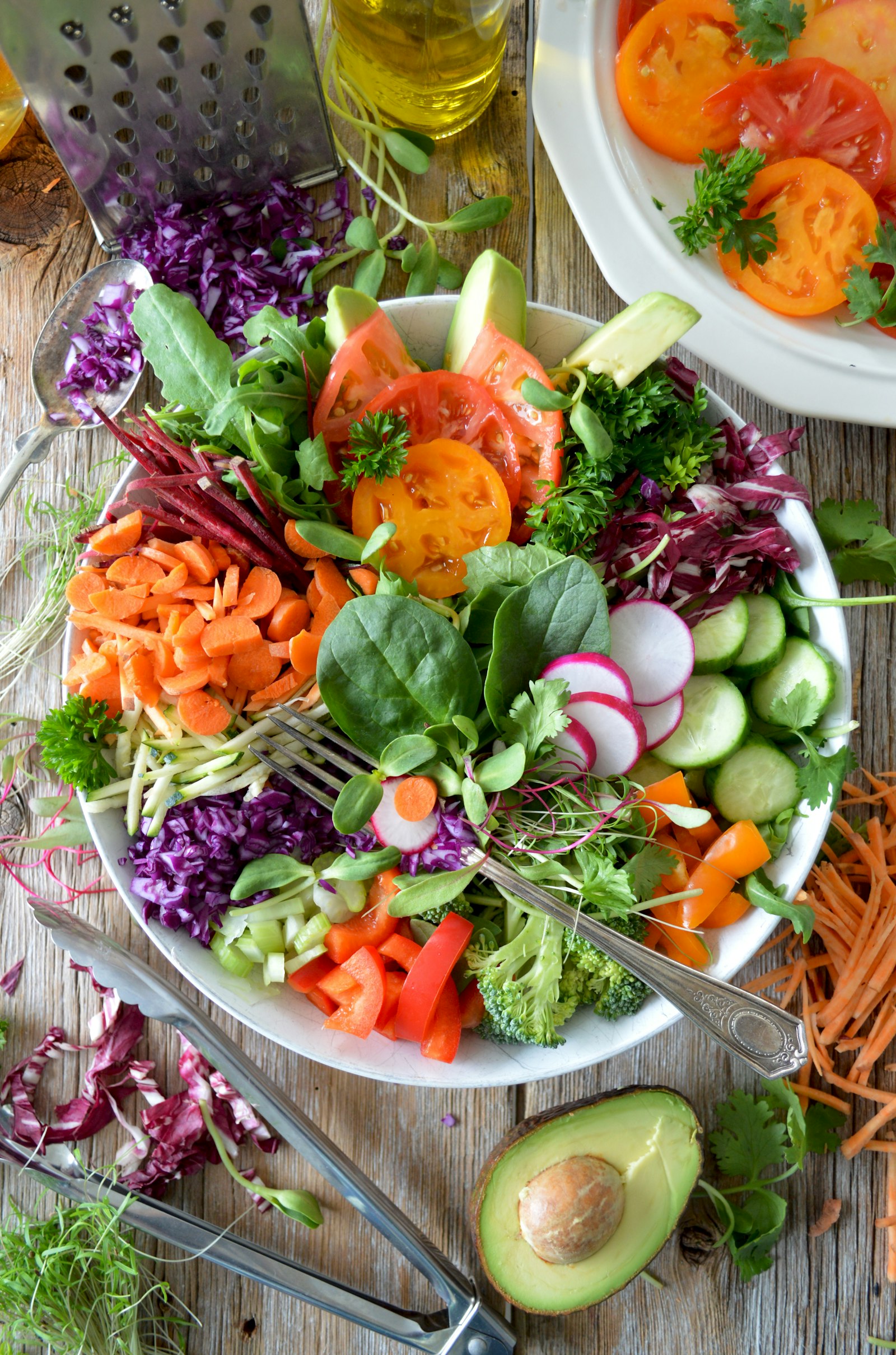
Chronic food insecurity is intimately connected with housing instability. Individuals transitioning from long-term homelessness into permanent supportive housing frequently suffer from severe metabolic conditions—including Type 2 diabetes, hypertension, and malnutrition. When individuals must choose between purchasing nutrient-dense groceries and paying essential utilities, diet-related chronic illnesses flare up. *Integrated Community Nutrition Hubs and Medically Tailored Meal Programs* provide on-site fresh food access within supportive housing communities.
Public health intervention trials documented by the Centers for Disease Control and Prevention (CDC) confirm that pairing permanent housing with regular nutritious food access reduces diabetic emergency visits by over 60%.
The 4 Components of an On-Site Community Nutrition Hub
- 1. Choice-Based Food Pantries: Replacing generic pre-packaged boxes with dignified, grocery-style choice pantries stocked with fresh produce, lean proteins, and culturally relevant staples.
- 2. Medically Tailored Meals (MTM): Delivering customized, dietitian-designed meals directly to medically fragile residents recovering from surgery or managing complex illnesses.
- 3. Community Teaching Kitchens: Hosting weekly culinary workshops where residents learn affordable batch-cooking, food budgeting, and kitchen appliance safety.
- 4. Urban Rooftop Gardens: Transforming building rooftops into therapeutic community gardens that yield organic vegetables and foster neighborhood social bonding.
Standard Food Assistance vs Integrated Community Nutrition Hubs
| Nutrition Delivery Model | Dietary Quality & Fresh Produce Access | Chronic Disease Management | Resident Engagement |
|---|---|---|---|
| On-Site Choice Pantry & Teaching Kitchen | High (Fresh organic greens, whole grains) | Targeted low-sodium & diabetic menus | Builds community solidarity and life skills |
| Emergency Canned Food Box Only | Low (High sodium, processed shelf-stable items) | Exacerbates hypertension and diabetes | Passive receipt without culinary education |
Frequently Asked Questions (FAQ)
How do nutrition hubs fund fresh food purchases?
Through partnerships with regional food banks, USDA Community Food Projects grants, and healthcare Medicaid 1115 food-as-medicine reimbursement waivers.
Can residents participate in garden management?
Yes. Resident garden committees provide leadership opportunities and earn produce shares or small stipends for garden maintenance.
Strategic Conclusion and Key Takeaways
Food security is fundamental to health equity. Integrating fresh food access, culinary education, and medically tailored meals inside supportive housing transforms physical well-being and sustains long-term recovery.

Comments are closed