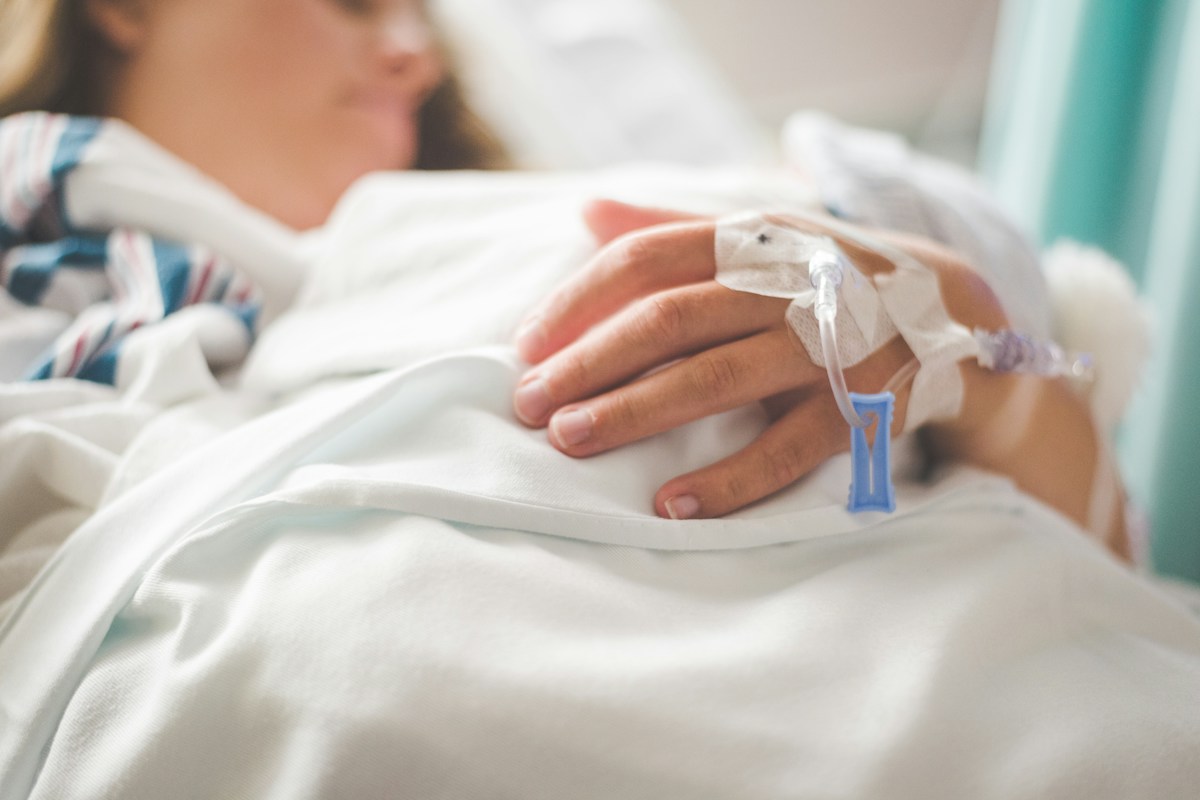
The Post-Hospital Discharge Chasm in Homelessness
For individuals experiencing homelessness who suffer an acute illness or undergo major surgical intervention, the point of hospital discharge represents a perilous healthcare precipice. In standard inpatient medical practice, when a patient achieves clinical stability, physicians authorize hospital discharge with the expectation that the patient will return home to rest in a clean bed, consume regular nutritious meals, refrigerate essential medications, and receive visits from home health nursing aides. For an unhoused patient, however, there is no home to return to. Discharging an individual recovering from major abdominal surgery, compound fracture fixation, or severe systemic pneumonia back to a sidewalk tent or congregate emergency shelter is clinically disastrous and morally unconscionable.
On the streets or inside noisy congregate shelter dormitories, recuperation is medically impossible. Wounds cannot remain clean and dry when exposed to sidewalk mud, rain, and street particulate matter; complex prescription regimens cannot be stored safely when personal belongings are routinely stolen or confiscated; and diabetic limbs cannot heal when an individual must walk six miles daily to secure food and hygiene facilities. Consequently, unhoused individuals discharged to the streets experience rapid clinical decompensation, surgical site dehiscence, severe sepsis, and medication toxicity, forcing them back into hospital emergency departments via ambulance dispatches within days. This catastrophic cycle, termed the post-hospital discharge chasm, fuels tragic health outcomes and imposes staggering, preventable financial costs on municipal healthcare systems.
Medical Respite Care, also known as Recuperative Care, has emerged as the definitive clinical and structural solution to this crisis. Medical respite care is acute and post-acute medical care for people experiencing homelessness who are too ill or frail to recover from a physical illness or injury on the streets or in a shelter, but are not ill enough to require inpatient hospital confinement. Operating in residential, home-like environments, medical respite programs provide 24-hour supportive beds, dedicated clinical nursing, wound management, medication reconciliation, nutritious meals, and intensive housing navigation. According to authoritative clinical guidelines published by the National Health Care for the Homeless Council (NHCHC), medical respite care cuts hospital readmissions by more than fifty percent while creating an essential launchpad for permanent supportive housing placement.
This master clinical and health systems guide delivers an exhaustive operational analysis of medical respite care facilities and recuperative housing networks. Examining the National Institute for Medical Respite Care (NIMRC) quality standards, Medicaid Section 1115 Demonstration Waivers, In Lieu of Services (ILOS) managed care financing, electronic health record (EHR) and HMIS cross-system data integration, and hospital return on investment (ROI) underwriting, this study provides an authoritative blueprint for hospital executives, managed care medical directors, housing leaders, and public health officials committed to constructing an integrated continuum of post-hospital care.
The High-Cost Revolving Door: Readmission Penalties and Inappropriate Discharges
The institutional imperative driving hospital investment in medical respite care is rooted in the harsh clinical and financial mechanics of modern healthcare economics. Under the federal Hospital Readmissions Reduction Program (HRRP) established by the Affordable Care Act and administered by the Centers for Medicare and Medicaid Services (CMS), hospitals face severe financial penalties if their thirty-day all-cause readmission rates for conditions such as heart failure, pneumonia, COPD, and elective arthroplasty exceed national benchmarks. CMS penalizes underperforming hospitals by reducing reimbursement rates across all Medicare inpatient discharges by up to three percent, costing major healthcare systems tens of millions of dollars annually.
Unhoused patients represent a primary statistical driver of hospital readmission penalties. Multiple peer-reviewed studies published by the National Institutes of Health (NIH National Library of Medicine) demonstrate that unhoused patients are three to four times more likely to be readmitted within thirty days of discharge compared to securely housed individuals with identical clinical diagnoses. When an unhoused patient is discharged without safe recuperative housing, the lack of post-acute wound care, inability to access physical therapy, and rapid loss of medications inevitably causes disease relapse, triggering an emergency department readmission that directly degrades the hospital federal quality scores and triggers financial clawbacks.
Simultaneously, hospitals face the profound ethical, legal, and reputational peril of Inappropriate Discharges, historically characterized as patient dumping. In cities across the country, investigative journalists and regulatory agencies have documented instances where hospitals discharged frail, confused, wheelchair-bound patients dressed in hospital gowns onto downtown sidewalks or dropped them at the doors of unprepared emergency shelters. Multiple states and municipalities, including California (Senate Bill 1152), have enacted strict Hospital Homeless Discharge Planning Statutes. These laws mandate that before discharging an unhoused patient, hospitals must formally identify a safe, documented physical destination, provide weather-appropriate clothing, deliver a thirty-day supply of essential medications, and arrange safe transportation.
These regulatory mandates create severe Inpatient Bed Bottlenecks. Hospital discharge planners and case managers, recognizing that discharging a patient to the streets violates statutory standards, frequently retain unhoused patients in high-acuity inpatient hospital beds for days or weeks after acute medical stability is achieved, simply because no safe post-acute destination exists. An inpatient medical-surgical bed costs between twenty-five hundred and four thousand dollars per day in hospital operating overhead. Keeping a medically stable patient in an inpatient hospital bed solely for social or wound recovery reasons represents an extraordinarily inefficient use of acute clinical capacity, delaying elective surgeries and crowding emergency room triage bays as analyzed by health economists at the Center for Health Care Strategies (CHCS).
Defining Medical Respite: National Standards and Clinical Scope of Care
To prevent regulatory confusion and maintain rigorous quality control, the National Institute for Medical Respite Care (NIMRC), a special initiative of the National Health Care for the Homeless Council, established the official National Standards for Medical Respite Care. These standards clearly delineate what medical respite is, and equally importantly, what it is not. Medical respite is not an emergency shelter with cots, nor is it a skilled nursing facility (SNF), an acute inpatient rehabilitation hospital, or permanent supportive housing. It is a distinct, short-term, post-acute residential recuperation modality designed specifically to bridge the gap between hospital inpatient discharge and community living.
The clinical scope of care within a certified medical respite facility is specifically calibrated to manage post-acute and recuperative medical needs. Eligible patients are those who are medically stable, continent, cognitively capable of self-care and activities of daily living (ADLs), but require ongoing clinical support that cannot be executed in outdoor or shelter settings. Core clinical services delivered within medical respite include: complex wound care dressings for surgical incisions, pressure ulcers, and diabetic foot wounds; intravenous (IV) antibiotic therapy via peripheral lines or peripherally inserted central catheters (PICC lines); medication reconciliation, education, and administration monitoring; physical therapy and mobility rehabilitation; and coordination of specialty follow-up consultations.
NIMRC standards enforce seven core organizational and clinical principles: First, medical respite programs must operate a clean, safe, and secure physical residential environment that operates twenty-four hours a day, seven days a week. Second, programs must provide continuous, high-quality clinical care led by licensed physicians, nurse practitioners, physician assistants, and registered nurses. Third, programs must establish robust, low-barrier admission criteria that screen for medical stability rather than behavioral perfection. Fourth, facilities must provide comprehensive, trauma-informed care coordination and social service navigation. Fifth, programs must actively coordinate care transitions into permanent supportive housing. Sixth, facilities must provide nutritious, medically tailored meals and snacks that support tissue healing. Seventh, programs must maintain continuous quality improvement (CQI) and outcome evaluation systems.
The average length of stay within a medical respite program typically ranges from twenty-one to forty-five days, depending on the underlying clinical condition. A patient recovering from a clean surgical hernia repair may require only fourteen days of respite care to achieve full incision closure, while a patient undergoing six weeks of daily IV antibiotic therapy for severe osteomyelitis or endocarditis may remain in respite for forty-five to sixty days. Throughout this recuperative window, the medical respite team works simultaneously on two tracks: achieving complete biological healing while executing a comprehensive housing stabilization plan as documented by the Urban Institute Health Policy Center.
Physical Environment and Architectural Design: Trauma-Informed Recuperation Centers
The physical environment of a medical respite care facility plays a decisive role in patient healing, behavioral stability, and operational success. Individuals who have survived years of unsheltered homelessness or institutional incarceration carry deep physiological sensitivity to environmental cues. Clinical facilities characterized by sterile institutional hallways, harsh fluorescent lighting, loud paging systems, and locked doors often induce intense claustrophobia, hyper-vigilance, and clinical flight, prompting patients to sign out against medical advice (AMA). Medical respite facilities overcome this through Trauma-Informed Architectural Design and biophilic principles.
The core design philosophy of medical respite centers on creating a dignified, non-institutional sanctuary that evokes residential warmth and physiological safety. Facilities feature private or semi-private bedrooms (typically one or two beds per room) rather than large congregate dormitories. Private rooms provide essential infection control for patients with surgical drains or open wounds, while affording patients the acoustic tranquility and personal privacy required for restorative sleep. Each room is equipped with lockable storage wardrobes where residents can safely secure their clothing and personal possessions without fear of theft, immediately reducing survival anxiety.
Furthermore, facilities incorporate dedicated Clinical Consultation Suites and Multi-Purpose Community Spaces. The clinical exam room is fully equipped with an adjustable examination table, medical refrigeration for biologics, diagnostic arrays, and sterile supply storage. Outside the clinical suite, the facility features calming community lounges, sunlit outdoor healing gardens with raised garden beds, a commercial kitchen providing fresh, nutritious meals, a self-service laundry room where residents can wash their clothing with dignity, and private conference rooms for housing case managers and behavioral health counselors. This physical harmony creates an environment where patients feel deeply respected, accelerating biological healing and fostering psychological peace as curated by the HUD Exchange Health and Housing Guidelines.
Clinical Care Coordination: Post-Surgical Healing, Wound Care, and Medication Reconciliation
Delivering high-quality clinical care in a medical respite setting requires specialized clinical workflows tailored to the complex needs of formerly unsheltered patients. Unlike hospital wards where patient care is governed by rigid physician orders and continuous monitoring, medical respite operates as a supported residential environment where patients are supported in developing health self-efficacy and medication management independence.
A primary clinical pillar is Comprehensive Medication Reconciliation and Adherence Coaching. Patients discharged from inpatient hospital stays frequently arrive with complex discharge instructions, carrying four, six, or eight new prescription bottles with confusing dosing schedules. In medical respite, a registered nurse or clinical pharmacist conducts a comprehensive medication reconciliation within twenty-four hours of admission, identifying drug-drug interactions, eliminating obsolete medications, and organizing current prescriptions into color-coded blister packs or automated pill organizers. Clinicians take the time to educate the resident on why each pill is necessary, explaining side effects and establishing realistic, manageable daily routines that the patient can sustain once they transition into permanent housing.
Advanced Wound Bed Care represents a daily clinical operation in medical respite. Many residents enter with extensive, complex surgical incisions, open fasciotomy wounds, deep decubitus pressure ulcers, or chronic venous stasis wounds requiring specialized wound dressings. Registered nurses deliver daily or alternate-day wound care utilizing advanced negative pressure wound therapy (wound VACs), hydrogels, alginates, and antimicrobial silver dressings. Having clean, climate-controlled environments and daily nursing care allows chronic wounds that have languished unhealed on the streets for years to finally achieve healthy granulation, re-epithelialization, and permanent closure.
Furthermore, medical respite clinicians manage Complex Intravenous Therapy. Patients with severe infections, such as bacterial endocarditis, septic arthritis, or osteomyelitis, traditionally required six to eight weeks of inpatient hospitalization solely to receive daily intravenous antibiotics via PICC lines, because hospital risk managers refuse to discharge patients with intravenous access lines to the streets or shelters due to fears of line infection or illicit substance tampering. Medical respite facilities provide the secure, monitored clinical environment required to safely administer daily intravenous infusions, allowing patients to complete curative antibiotic courses in a home-like setting at a fraction of hospital inpatient costs.
Integrating Behavioral Health, Harm Reduction, and Low-Barrier Admissions
A fatal flaw in many historical recuperative care models was the enforcement of rigid, punitive admission criteria that excluded the very patients who most desperately needed care. Programs routinely barred patients with active substance use disorders, required verified thirty-day sobriety, mandated toxicology screenings, or rejected individuals with active psychiatric auditory hallucinations. Because the vast majority of unsheltered individuals experiencing acute medical hospitalization carry co-occurring psychiatric and substance use conditions, these exclusionary rules resulted in high rejection rates, leaving hospitals with no choice but to discharge vulnerable patients back to the street.
Harm reduction within the facility is operationalized through compassionate, non-punitive policies. While the consumption of illicit substances within public common areas or resident bedrooms is prohibited to maintain community safety, relapses or positive toxicology screens do not result in immediate administrative discharge or eviction. When a resident experiences a substance use recurrence, the clinical team responds with immediate clinical support, reviewing the patient treatment plan, evaluating medication-assisted treatment (MAT) dosing, and providing harm reduction education. Respite clinicians prescribe buprenorphine, methadone coordination, and naltrexone on-site, stabilizing withdrawal symptoms and eliminating cravings during the recuperative window.
Integrated Behavioral Healthcare is woven directly into daily respite life. Licensed clinical social workers and psychiatric nurse practitioners provide on-site psychiatric evaluations, medication management, and individual trauma therapy. Furthermore, facilities employ Certified Peer Support Specialists who walk alongside residents, sharing their own lived experiences of recovery and homelessness. Peer specialists facilitate voluntary recovery circles, accompany residents to medical appointments, and provide empathetic emotional anchors that dissolve institutional distrust and encourage active engagement with care as championed by the Urban Institute Social Policy Centers.
Care Transitions and Coordinated Entry Integration: The Recuperative-to-Housing Pipeline
To prevent post-respite homelessness, medical respite facilities operate as accredited Coordinated Entry System (CES) Access Points, embedding dedicated, full-time Housing Navigators within the clinical care team. On the second day of a resident stay, while clinical nurses are stabilizing medications and redressing wounds, the housing navigator initiates the housing stabilization process. The navigator conducts the standardized regional vulnerability assessment, verifies the resident Homeless Management Information System (HMIS) record, and updates the patient status to prioritize them for regional permanent supportive housing (PSH) or rapid re-housing allocations.
During the thirty-to-forty-five-day recuperative stay, the housing navigator operates with extreme urgency. The navigator leverages the stability of the respite bed to resolve all bureaucratic documentation hurdles: obtaining certified birth certificates, state identification cards, and Social Security disability award letters. Crucially, the respite medical director provides certified medical documentation and physician disability verification letters, officially verifying the resident chronic disabling condition for federal HUD chronic homelessness housing vouchers.
Financing Medical Respite: Medicaid Section 1115 Waivers, In Lieu of Services, and Hospital Investments
Historically, the primary obstacle restricting the nationwide expansion of medical respite care was the absence of a dedicated, sustainable public reimbursement mechanism. Federal Medicare and traditional state Medicaid programs only reimbursed direct clinical encounters delivered by licensed physicians, refusing to cover the essential residential, nutritional, and supportive services that constitute the core of respite care. Consequently, programs were forced to rely on unpredictable patchwork funding, cobbling together private philanthropic grants, municipal general funds, and ad-hoc hospital charitable contributions.
This financial bottleneck has been shattered by a national revolution in Medicaid financing. Under federal Medicaid managed care regulations, state Medicaid agencies and Managed Care Organizations (MCOs) are increasingly utilizing In Lieu of Services (ILOS) and Health-Related Social Needs (HRSN) authorities to directly reimburse medical respite care. Under ILOS authority, an MCO is legally permitted to cover a cost-effective, medically appropriate non-clinical service (such as medical respite) in lieu of a standard, high-cost covered benefit (such as an inpatient hospital stay or prolonged emergency department boarding), providing a steady per-diem reimbursement rate (typically $175 to $350 per bed-day) that covers the full cost of respite operations.
Simultaneously, states such as California, New York, Washington, Oregon, and North Carolina have secured transformative Section 1115 Demonstration Waivers from CMS. Under California landmark CalAIM (California Advancing and Innovating Medi-Cal) transformation, Medical Respite / Recuperative Care is codified as an official Community Supports benefit. California Medicaid managed care plans are contractually authorized to reimburse up to ninety days of medical respite per admission, creating a multi-million-dollar, sustainable statewide funding engine that has catalyzed the construction of dozens of state-of-the-art respite centers.
Hospital-Respite Partnerships: Formal Discharge Agreements and Closed-Loop Referral Workflows
The operational success of a medical respite program depends heavily on the strength, efficiency, and clarity of its formal partnerships with regional hospital systems. When hospitals and respite programs operate without formalized coordination agreements, communication breakdowns occur: hospitals attempt to refer inappropriate, medically unstable patients at 8:00 PM on Friday nights, or respite programs face unexpected vacancies because hospital discharge planners are unaware that beds are available.
Leading healthcare regions establish formal Hospital-Respite Operational Covenants and Master Service Agreements. These legal and clinical agreements define standardized Clinical Admission Criteria, operational hours, transportation responsibilities, and mutual performance benchmarks. Hospital discharge planning teams and respite intake coordinators utilize standardized Electronic Referral Portals that enable secure, instantaneous transmission of patient medical records, discharge summaries, medication administration records (MARs), and physical therapy evaluations.
To eliminate administrative latency, programs implement Closed-Loop Electronic Referrals integrated directly into hospital electronic health records (EHRs) such as Epic or Cerner. When a hospital inpatient physician identifies an unhoused patient nearing medical stability, the social worker submits an electronic respite referral with a single click. The respite intake coordinator reviews the clinical chart remotely, conducts a brief bedside evaluation inside the hospital room to confirm patient consent, and approves the admission within two to four hours. Transportation is coordinated via certified medical non-emergency transportation (NEMT) or specialized respite transport vans, ensuring that the patient is escorted directly into the respite facility with a complete thirty-day supply of medications in hand.
Furthermore, hospital-respite partnerships maintain continuous quality oversight through Joint Operations Committees that meet monthly. The committee reviews referral volumes, average length of stay, 30-day hospital readmission rates, and permanent housing exit percentages. When clinical or operational challenges arise, such as a patient experiencing an unexpected medical complication requiring hospital return, the committee conducts an objective, blame-free case review, refining clinical screening criteria and communication protocols to ensure continuous system optimization.
Health Economics and Return on Investment: Inpatient Days Saved and Readmission Avoidance
From a health economics and public finance perspective, medical respite care delivers one of the most compelling, empirically validated Return on Investment (ROI) profiles in all of health services research. Health economists and actuaries evaluating Medicaid managed care portfolios and hospital balance sheets consistently find that every dollar invested in medical respite generates substantial net cost savings across the healthcare ecosystem.
The primary driver of economic return is the reduction of Inpatient Bed Days and Length of Stay (LOS). An acute care inpatient hospital bed costs between $2,500 and $4,000 per day in direct operating expenses. By transferring a medically stable unhoused patient to a medical respite facility where the daily operating cost ranges between $200 and $350 per day, the healthcare system achieves an immediate, direct operating cost reduction of approximately ninety percent for every day the patient recuperates in respite rather than a hospital bed. For a health system managing hundreds of unhoused inpatient admissions annually, shaving an average of 3.5 to 5.2 days off hospital length of stay yields millions of dollars in annual bed-day savings, while freeing up critical inpatient capacity for high-margin elective and emergency surgeries.
The second major driver of savings is the dramatic suppression of Emergency Department Recidivism and 30-Day Readmissions. Rigorous randomized controlled trials and quasi-experimental studies published in leading health economics journals confirm that unhoused patients admitted to medical respite exhibit a 50 to 65 percent reduction in 30-day all-cause hospital readmissions, and an average 45 percent decrease in emergency department visits over the twelve months following respite discharge. By resolving underlying infections, stabilizing chronic cardiovascular disease, and connecting patients to primary care medical homes, respite eliminates the clinical drivers of emergency room cycling.
When the societal externalities of housing placement are integrated into actuarial models, the systemic savings compound exponentially. Patients who transition from medical respite into permanent supportive housing experience an enduring 70 to 80 percent reduction in public crisis system utilization, including police dispatches, emergency psychiatric holds, jail bookings, and municipal paramedic responses. Longitudinal economic evaluations compiled by the Urban Institute Health Policy Center confirm that medical respite care is a powerful capital-saving mechanism that simultaneously enhances clinical quality, elevates patient dignity, and optimizes regional healthcare finance.
Legal, Licensing, and Regulatory Landscapes: Residential Care vs Healthcare Facility Designations
Establishing and operating a medical respite facility requires navigating an intricate, often ambiguous regulatory and licensing environment. Because medical respite is an innovative hybrid model combining post-acute healthcare oversight with residential supportive lodging, it does not fit neatly into traditional state regulatory silos formulated for either acute hospitals, skilled nursing facilities, or commercial rooming houses.
A primary legal determination is State Facility Licensing Classification. In many states, medical respite facilities operate without a dedicated, specific respite facility license; instead, they operate under existing statutory designations such as Adult Residential Care Facilities, Assisted Living Facilities, or Specialized Congregate Living Facilities. In other jurisdictions, programs operate as Residential Lodging Centers that partner with an external, licensed healthcare entity (such as a Federally Qualified Health Center or licensed Home Health Agency) that delivers all clinical nursing and physician services on-site under the health center existing clinical license. Operating under a dual lodging-clinical partnership model provides maximum regulatory agility while ensuring full compliance with state medical board standards.
Furthermore, progressive states are enacting Specific Statutory Medical Respite Licensing Categories. Pioneered by states such as California, Washington, and Minnesota, these modernized statutes create dedicated licensing standards tailored to the unique clinical scope of medical respite. These statutory frameworks establish objective standards for nurse-to-patient staffing ratios, medication storage security, dietary nutrition, infection control protocols, and life-safety building codes, providing respite operators with clear regulatory certainty while safeguarding patient health and safety.
In addition, medical respite operators must maintain meticulous Patient Rights, Informed Consent, and HIPAA Compliance frameworks. While medical respite programs provide structured daily support, residents are lawful adult tenants who possess fundamental constitutional rights: they cannot be detained against their will, subjected to involuntary searches of their personal belongings, or forced to accept medical procedures against their informed refusal. Respite facilities establish transparent Resident Handbooks and formal grievance procedures that balance individual civil rights with collective community life-safety, establishing a culture of mutual respect and therapeutic trust.
Data Integration: Cross-System Tracking Across Hospital EHRs and HMIS
The long-term clinical efficacy, epidemiological tracking, and financial reimbursement of medical respite care depend fundamentally on sophisticated Cross-System Data Integration. Historically, the healthcare sector and the homelessness housing sector operated in complete technical isolation: hospitals utilized complex Electronic Health Record (EHR) systems governed by HIPAA regulations, while housing providers utilized the Homeless Management Information System (HMIS) governed by HUD data standards. This lack of interoperability created massive clinical blind spots, resulting in fragmented care and lost opportunities for permanent housing transition.
Modern medical respite networks bridge this technological divide through Bidirectional Data Integration Platforms and Inter-Agency Data Sharing Agreements. Utilizing Fast Healthcare Interoperability Resources (FHIR) application programming interfaces (APIs) and secure health information exchanges (HIEs), respite systems connect hospital EHRs directly with regional HMIS databases. When an unhoused patient is admitted to a hospital inpatient unit, the hospital social worker can query the HIE to view the patient prior housing assessments, current housing voucher status, and assigned housing navigator in real time.
Similarly, when the patient transitions into the medical respite center, the respite clinical team documents daily vital signs, wound healing measurements, and medication administration records within a certified ambulatory EHR, while simultaneously logging housing milestones, coordinated entry updates, and housing applications within HMIS. Automated data-matching algorithms reconcile clinical and housing records, generating comprehensive Closed-Loop Care Summaries that transmit back to the hospital discharge planning department and Medicaid managed care plans upon respite graduation.
Comparative Matrix of Post-Acute Care Settings for Unhoused Populations
To design an optimal post-hospitalization discharge continuum for vulnerable populations, health system leaders, hospital discharge planners, and Continuum of Care executives must systematically evaluate the distinct clinical capabilities, admission thresholds, funding mechanisms, and housing placement functions across available post-acute settings. Misallocating an unstably housed patient to an inappropriate setting produces catastrophic results: discharging a patient requiring complex IV wound therapy to a standard emergency shelter leads to immediate septic readmission, while placing a high-functioning individual with a minor sprain into high-cost skilled nursing squanders scarce public resources.
The comparative matrix below delineates the operational parameters of the four primary post-acute care environments utilized for unhoused patients: Medical Respite / Recuperative Care Centers, Skilled Nursing Facilities (SNFs), General Congregate Emergency Shelters, and Inpatient Acute Rehabilitation Hospitals. By comparing clinical nursing acuity, physical admission criteria, average length of stay, daily operational cost per bed, and permanent supportive housing transition efficacy, this matrix equips healthcare administrators with the clinical clarity required to make safe, legally compliant, and cost-effective discharge determinations.
| Post-Acute Care Setting | Clinical Nursing Scope | ADL Independence Requirement | Average Daily Cost | Primary Reimbursement Engine | PSH Housing Pipeline Integration |
|---|---|---|---|---|---|
| Medical Respite / Recuperative Care | Post-acute wound care, medication reconciliation, IV therapy, recovery | Moderate: continent; capable of basic self-care and mobility | $200 to $350 per bed-day | Medicaid 1115 ILOS, MCO per diems, hospital contracts | Very High: 100% dedicated CES navigation to permanent housing |
| Skilled Nursing Facility (SNF) | 24/7 licensed nursing, extensive physical therapy, total ADL care | Zero: accommodates bedbound and total assist patients | $650 to $1,200 per day | Medicare Part A (first 100 days), Medicaid nursing benefit | Low: high risk of long-term institutionalization or shelter dump |
| General Congregate Shelter | None: emergency lodging only; zero on-site medical staff | High: must navigate stairs, carry bags, vacate premises daily | $45 to $90 per bed-night | HUD ESG formula grants, municipal general funds, donations | Moderate: queued in standard Coordinated Entry waitlists |
| Acute Inpatient Rehab Hospital | Intensive 3+ hours daily physical/occupational therapy, MD visits | Low to Moderate: must tolerate intensive daily physical therapy | $1,800 to $3,200 per day | Commercial health insurance, Medicare, Medicaid fee-for-service | Very Low: discharge planning focuses strictly on physical therapy goals |
Synthesizing these comparative findings demonstrates that medical respite care fills a unique, irreplaceable structural void in modern healthcare and social welfare systems. While skilled nursing facilities are essential for bedbound patients requiring total ADL support, and acute rehab hospitals are built for intensive motor retraining, medical respite provides the optimal, cost-effective balance of clinical nursing, restorative quiet, and dedicated housing navigation. By establishing robust medical respite capacity, municipalities bridge the post-hospital discharge chasm, transforming moments of catastrophic medical vulnerability into permanent breakthroughs for housing stability.
Frequently Asked Questions About Medical Respite Care Facilities
What is Medical Respite Care and who qualifies for admission?
Medical respite care (recuperative care) is short-term residential care for people experiencing homelessness who are too ill or frail to recover from a physical illness or injury on the streets or in a shelter, but do not require acute hospital hospitalization. Eligible individuals are medically stable, continent, able to perform basic self-care, and require ongoing wound care, medication management, or post-surgical recovery.
How does medical respite care differ from a skilled nursing facility (SNF)?
Skilled nursing facilities provide 24/7 total care for bedbound patients who cannot perform activities of daily living (bathing, dressing, feeding). Medical respite is a supported residential model for independent individuals who need short-term clinical nursing (wound dressing, IV antibiotics) paired with intensive housing navigation.
How is medical respite funded under Medicaid?
States fund medical respite through Medicaid Section 1115 Demonstration Waivers (e.g., California CalAIM Community Supports) and In Lieu of Services (ILOS) authorities, allowing Medicaid Managed Care Organizations to reimburse respite providers a daily per-diem rate ($200 to $350 per bed-day) in lieu of costly hospital readmissions.
What is the average length of stay in a medical respite program?
The average length of stay typically ranges from 21 to 45 days, depending on clinical recovery needs. Throughout this window, clinical teams treat the physical condition while housing navigators work to secure permanent supportive housing.
How do medical respite programs handle active substance use and addiction?
High-performing respite programs follow low-barrier and harm reduction principles. Sobriety is not a condition for admission. Programs offer on-site medication-assisted treatment (MAT) like buprenorphine, naloxone, and behavioral counseling, addressing substance use with compassionate healthcare rather than eviction.
What are the hospital readmission reduction benefits of medical respite?
Clinical studies show that medical respite care reduces 30-day all-cause hospital readmissions by 50% to 65% and slashes emergency department visits by 45%, protecting hospitals from severe federal CMS HRRP financial penalties.
What is California SB 1152 and how does it relate to medical respite?
California SB 1152 is a state hospital discharge planning law requiring hospitals to establish written discharge protocols for homeless patients, ensuring patients receive a safe physical destination, weather-appropriate clothing, medication, and safe transportation, preventing unsafe street dumping.
Can unhoused patients receive intravenous (IV) antibiotics in medical respite?
Yes. Medical respite facilities provide the clean, secure, and medically monitored environment required to safely administer daily intravenous antibiotic therapy via PICC lines, allowing patients with severe infections (osteomyelitis, endocarditis) to heal without remaining hospitalized for months.
Future Horizons: Standardizing Medical Respite as an Essential Healthcare Benefit
The rapid evolution of medical respite care from isolated charitable projects into a recognized, evidence-based healthcare delivery model represents one of the most promising achievements in modern social medicine. For decades, the artificial divide separating healthcare financing from housing policy condemned thousands of vulnerable human beings to suffer and die on cold sidewalks following major surgery and severe illness. In recognizing that biological healing and residential stability are fundamentally indivisible, medical respite care restores moral integrity and clinical coherence to the American healthcare landscape.
Authored and Reviewed by the NHREA Editorial Board
Housing Policy Analysts, Urban Planners and Healthcare Advocates

Comments are closed