The Infectious Disease Burden Among Marginalized and Unhoused Populations
Across urban encampments, congregate emergency shelters, and permanent supportive housing developments, communicable infectious diseases represent an urgent, unrelenting threat to human survival and public health security. Populations experiencing housing instability, extreme poverty, and marginalization suffer from disproportionately high burdens of viral, bacterial, and fungal pathogens. Conditions such as Hepatitis C virus (HCV), Human Immunodeficiency Virus (HIV), sexually transmitted infections (STIs, including syphilis and gonorrhea), latent and active Mycobacterium tuberculosis (TB), and viral respiratory illnesses spread with devastating efficiency across unsheltered communities. In the absence of proactive, field-based clinical intervention, these infections progress silently, causing irreversible organ damage, systemic septicemia, and premature mortality.
The transmission dynamics governing infectious disease in homeless and marginalized populations are driven by structural deprivations rather than individual moral failures. The lack of private sanitation, clean running water, reliable refrigeration, and laundry facilities makes basic hygiene nearly impossible. In dense congregate shelters, unventilated air handling systems facilitate the rapid aerosol spread of respiratory pathogens. On the streets, the illicit drug supply crisis, characterized by the injection of synthetic opioids and stimulants, drives widespread transmission of blood-borne pathogens via shared injection equipment. According to comprehensive epidemiological surveillance published by the Centers for Disease Control and Prevention (CDC), the prevalence of Hepatitis C among unsheltered individuals exceeds twenty to thirty percent in major metropolitan centers, representing an infection rate more than twenty times higher than that of the general housed population.
This master clinical and epidemiological guide delivers an exhaustive exploration of trauma-informed mobile diagnostic screening and infectious disease mitigation protocols. Examining CLIA-waived point-of-care rapid testing arrays, direct-acting antiviral (DAA) Hepatitis C micro-elimination workflows, same-day rapid ART and PrEP initiation, shelter ventilation engineering (UVGI), tuberculosis surveillance via 3HP regimens, and Section 340B drug pricing mechanics, this document provides an authoritative blueprint for public health epidemiologists, community clinic directors, infectious disease specialists, and housing administrators committed to eradicating communicable disease and advancing health equity.
Epidemiological Vulnerability: Environmental, Social, and Physiological Transmission Vectors
Understanding the epidemiology of infectious disease among unhoused and vulnerable populations requires analyzing the convergence of environmental, social, and physiological transmission vectors. When an individual lacks a permanent, climate-controlled home, the human immune system is placed under continuous, severe biological stress, significantly impairing cellular and humoral immune responsiveness and elevating vulnerability to opportunistic and communicable pathogens.
Environmental transmission vectors are rooted in the physical reality of the outdoor and congregate shelter built environment. In unsheltered encampments, the total absence of municipal sewer connections and waste management infrastructure results in the accumulation of biological waste and standing water, creating breeding reservoirs for vector-borne diseases and cutaneous bacteria such as Staphylococcus aureus (including methicillin-resistant MRSA) and Streptococcus pyogenes. In winter months, hypothermia and prolonged foot immersion in freezing water cause microvascular tissue injury (immersion foot or trench foot), creating open, macerated portals of entry for severe polymicrobial soft-tissue infections and necrotizing fasciitis. In congregate shelters, high occupant density in enclosed dormitories with low air exchange rates dramatically accelerates droplet and airborne transmission of influenza, SARS-CoV-2, respiratory syncytial virus (RSV), and Mycobacterium tuberculosis.
Social and behavioral vectors intersect directly with the syndemic of substance use, survival sex work, and economic precarity. In the current fentanyl and methamphetamine era, individuals who inject drugs frequently engage in high-frequency injection episodes (often ten to twenty injections per day due to the short half-life of synthetic fentanyl). In the absence of accessible syringe service programs, individuals share needles, cookers, and rinse water, driving explosive localized outbreaks of HIV, Hepatitis C, and infective bacterial endocarditis. Furthermore, individuals trading sex for emergency shelter, food, or safety navigate high risks of sexually transmitted infections, compounded by coercive partner dynamics that preclude barrier contraception.
Physiological vectors center on host immune compromise and nutritional depletion. Chronic severe malnutrition, chronic protein-calorie deficits, severe micronutrient deficiencies (particularly vitamins A, C, D, and zinc), and prolonged sleep deprivation severely degrade mucosal barrier integrity and suppress T-cell lymphocyte proliferation. Furthermore, high rates of untreated chronic liver disease (from alcohol use and chronic viral hepatitis) and poorly controlled diabetes mellitus compromise phagocytic neutrophil activity, allowing minor localized cutaneous abrasions to escalate rapidly into bacteremia, deep bone osteomyelitis, and life-threatening systemic sepsis as documented by researchers at the National Institutes of Health (NIH National Library of Medicine).
Core Principles of Trauma-Informed Diagnostic Screening
Delivering diagnostic screening to high-trauma, marginalized populations requires far more than technical laboratory competence; it requires a foundational mastery of Trauma-Informed Care (TIC). For individuals who have survived physical abuse, sexual assault, involuntary psychiatric institutionalization, or carceral strip searches, invasive medical procedures involving needles, blood draws, and physical exposure can trigger profound traumatic flash-backs, panic, and clinical flight. Conventional clinical approaches that treat testing as a routine bureaucratic checklist inadvertently alienate patients and destroy the therapeutic alliance.
Transparency and Choice are prioritized through every step of the testing encounter. Before touching a patient or opening a diagnostic test kit, the clinician explains exactly what the test entails, showing the patient the sterile lancet or swab, describing the sensation (such as a tiny pinch on the fingertip), and explaining how the results will be interpreted. Patients are offered meaningful choices: Which finger would you like me to use? Would you prefer a fingerstick blood test or an oral saliva swab? Would you like your peer navigator to sit beside you and hold your hand? Giving the patient absolute control over their physical body restores personal agency and dismantles institutional power imbalances.
Point-of-Care CLIA-Waived Rapid Diagnostic Panels: HIV, HCV, Syphilis, and TB
The technological linchpin of mobile infectious disease mitigation is the deployment of Clinical Laboratory Improvement Amendments (CLIA) Waived Point-of-Care (POC) Rapid Diagnostic Tests. CLIA-waived tests are diagnostic systems that are so simple, accurate, and low-risk that they are legally authorized by the FDA and CMS for use outside of certified laboratory facilities, enabling licensed clinicians, community health workers, and outreach staff to perform high-complexity screening directly in field settings with results available in ten to twenty minutes.
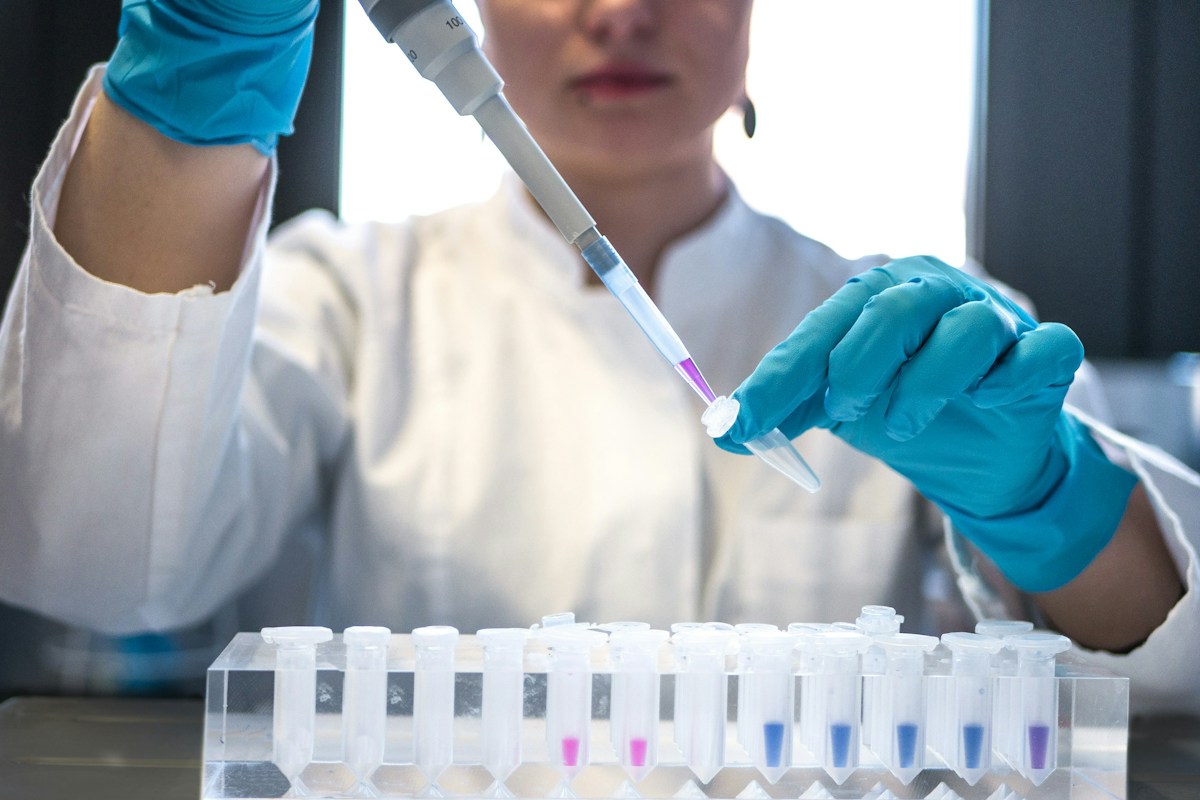
For Hepatitis C Virus screening, mobile squads utilize rapid HCV antibody fingerstick tests, such as the OraQuick HCV Rapid Antibody Test. Requiring a tiny single drop of capillary whole blood obtained via a painless fingerstick, the test delivers certified 99 percent sensitivity and specificity in twenty minutes. For HIV screening, teams deploy fourth-generation rapid antigen/antibody combination tests (such as the Abbott Determine HIV-1/2 Ag/Ab Combo), which detect both HIV-1/2 antibodies and the HIV p24 antigen, identifying acute HIV infection weeks earlier than older antibody-only tests and enabling immediate viral suppression interventions.
Syphilis screening has been revolutionized by rapid Treponemal and non-treponemal point-of-care antibody assays. With congenital and adult syphilis rates surging to historic highs across the nation, mobile teams carry dual HIV/Syphilis point-of-care test cassettes, obtaining simultaneous results for both life-threatening infections from a single fingerstick drop of blood in fifteen minutes. For tuberculosis surveillance, mobile teams carry digital pulse oximeters, portable spirometers, and execute blood draws for Interferon-Gamma Release Assays (IGRAs, such as QuantiFERON-TB Gold Plus), which evaluate cell-mediated immune responses to TB without requiring patients to return forty-eight hours later for subjective skin test reading.
Hepatitis C Elimination Workflows: Test-and-Treat Micro-Elimination in Field Settings
Hepatitis C Virus (HCV) represents the single greatest infectious disease epidemic among unhoused individuals who inject drugs. Left untreated, chronic HCV infection causes progressive hepatic fibrosis, cirrhosis, end-stage liver failure, hepatocellular carcinoma, and premature death. Historically, HCV treatment was an excruciating, year-long ordeal involving weekly interferon injections and ribavirin, causing severe psychiatric depression and flu-like misery with cure rates below forty percent. Furthermore, commercial health plans and state Medicaid programs enforced draconian sobriety mandates, requiring documented six-month drug abstinence and severe liver damage (fibrosis stage F3 or F4) before authorizing treatment, effectively barring active drug users from being cured.
Mobile clinical teams operationalize this through Single-Visit Test-and-Treat HCV Workflows. When a patient tests positive on a rapid HCV antibody fingerstick, the clinical team immediately collects a venous blood sample or capillary fingerstick for a POC HCV RNA confirmation test to verify active viral replication. While awaiting confirmation, the team performs a baseline point-of-care hepatic panel (AST, ALT, total bilirubin), calculates the APRI (AST to Platelet Ratio Index) or FIB-4 score to evaluate liver fibrosis, screens for drug-drug interactions with the patient current medications, and initiates same-day or next-day DAA therapy.
To ensure adherence across unstably housed environments, mobile teams utilize innovative DAA Delivery and Support Strategies. Rather than dispensing a ninety-day supply of expensive pills that could be lost or stolen in encampment sweeps, teams provide weekly or bi-weekly blister packs, co-dispensed with daily methadone doses or delivered by mobile outreach vans directly to the patient campsite. Field navigators provide daily text message reminders and offer small financial incentives (such as grocery gift cards) for completing treatment milestones. Rigorous clinical trials confirm that active drug users in street settings achieve HCV cure rates (sustained virologic response at 12 weeks, SVR12) exceeding ninety-two percent, shattering the stigmatizing myth that unhoused drug users cannot adhere to curative antiviral therapy as documented by researchers at the Urban Institute Health Policy Center.
Direct-Acting Antivirals and Overcoming Prior Authorization Obstacles
While the clinical science of Hepatitis C elimination is settled, the primary barrier preventing population-scale cure has historically been commercial and Medicaid Managed Care Prior Authorization (PA) restrictions. When DAAs were first introduced, pharmaceutical list prices exceeded eighty-four thousand dollars per treatment course, prompting public and private insurers to erect aggressive bureaucratic barriers designed to restrict access and ration care.
These historical prior authorization hurdles included mandatory liver biopsy or transient elastography (FibroScan) documenting advanced stage 3 or 4 liver scarring, mandatory six-month documented abstinence from alcohol and illicit substances verified by random urine toxicology screens, and specialist-only prescribing rules requiring infectious disease or hepatology board certification. For an unsheltered individual surviving in an encampment, fulfilling these bureaucratic mandates was impossible, systematically condemning hundreds of thousands of vulnerable patients to preventable liver failure.
HIV Prevention and Treatment on the Streets: PrEP, PEP, and Rapid ART Induction
The transmission dynamics of Human Immunodeficiency Virus (HIV) within unsheltered encampments demand aggressive, proactive clinical interventions that operate with extreme velocity. In contemporary urban centers, localized clusters of acute HIV infection among unhoused people who inject drugs can expand exponentially in weeks if viral loads remain unsuppressed. Modern mobile medicine combats this through a comprehensive three-pillar strategy: Pre-Exposure Prophylaxis (PrEP), Post-Exposure Prophylaxis (PEP), and Immediate Rapid Antiretroviral Therapy (ART) Induction.
For individuals experiencing an acute, high-risk biological exposure (such as a shared needle stick or sexual assault), mobile teams initiate Post-Exposure Prophylaxis (PEP) within seventy-two hours of exposure. Squads carry starter 28-day packs of once-daily triple-combination therapy (such as bictegravir/emtricitabine/tenofovir alafenamide, Biktarvy), providing the first dose immediately in the field to abort viral integration and prevent permanent seroconversion.
Congregate Shelter Infection Control: Airborne Transmission, UVGI, and Ventilation Engineering
While street encampments present severe cutaneous and vector-borne infection risks, indoor Congregate Emergency Shelters present catastrophic risks of aerosol and airborne respiratory disease transmission. Traditional shelter facilities often house dozens or hundreds of unhoused individuals sleeping on closely spaced cots inside cavernous, poorly ventilated warehouse rooms or church basements. When an occupant with active pulmonary tuberculosis, influenza, or SARS-CoV-2 coughs or breathes, infectious microscopic aerosol droplets remain suspended in stagnant indoor air for hours, exposing every occupant in the facility.
Modernizing congregate shelter infection control requires moving beyond superficial surface wiping and temperature checks toward advanced Environmental Ventilation Engineering. The cornerstone of airborne pathogen mitigation in congregate shelters is the installation of Upper-Room Ultraviolet Germicidal Irradiation (UVGI) Systems. UVGI fixtures are mounted on facility walls near the ceiling, continuously projecting a horizontal zone of 254-nanometer (UVC) germicidal ultraviolet light through upper-room air. Natural indoor thermal convection currents cause warm air exhaled by occupants to rise into the germicidal disinfection zone, where high-energy UVC photons instantly destroy the DNA and RNA of airborne viruses and bacteria, rendering them non-infectious in seconds.
Upper-room UVGI operates safely twenty-four hours a day while occupants sleep, eat, and socialize below, providing the equivalent of ten to twenty clean air changes per hour (ACH) without generating drafts or noise. Clinical trials conducted by the CDC and the National Institute for Occupational Safety and Health (NIOSH) confirm that upper-room UVGI slashes tuberculosis transmission by over eighty percent in high-density congregate settings, providing a bulletproof, passive defense against both known and emerging airborne pathogens.
Furthermore, shelter operators modernize mechanical HVAC infrastructure. Facilities upgrade standard mechanical filters to Minimum Efficiency Reporting Value (MERV) 13 or HEPA-rated filtration arrays, maximize outdoor fresh-air intake damper settings, and install localized commercial HEPA filtration towers in communal dining and intake areas. Beds and cots are re-engineered to maintain a minimum of six feet of clearance between sleeping heads, utilizing alternating head-to-toe sleeping arrangements that prevent direct face-to-face droplet exposure. By re-engineering the physical shelter environment, housing authorities protect vulnerable residents and frontline staff from devastating respiratory epidemics as documented by the HUD Exchange Health and Housing Library.
Tuberculosis Surveillance: Interferon-Gamma Release Assays and 3HP Regimens
Tuberculosis (TB), caused by the airborne bacillus Mycobacterium tuberculosis, remains one of the most persistent, deadly infectious diseases affecting unhoused and marginalized populations. The convergence of crowded congregate shelters, severe malnutrition, chronic tobacco and substance use, and high rates of HIV co-infection creates an ideal environment for rapid TB transmission and the reactivation of Latent Tuberculosis Infection (LTBI) into active, contagious pulmonary disease.
Harm Reduction Syringe Services and Wound Abscess Microbiology
Cutaneous abscesses, necrotizing skin ulcers, and severe bacterial cellulitis represent the leading acute clinical complaints among individuals who inject drugs in unsheltered encampments. In the contemporary street drug supply, the widespread adulteration of fentanyl with xylazine (a non-opioid veterinary alpha-2 adrenergic agonist) has unleashed an unprecedented dermatological catastrophe. Xylazine induces intense peripheral vasoconstriction and severe local tissue ischemia, precipitating massive, necrotic, full-thickness skin ulcers that emerge not only at injection sites, but on distant limbs and extremities.
Field Wound Abscess Microbiology reveals that these wounds are complex, polymicrobial bio-films dominated by Methicillin-Resistant Staphylococcus aureus (MRSA), Streptococcus pyogenes, Pseudomonas aeruginosa, and anaerobic bacteria. When individuals inject with contaminated needles, unsterile tap water, or utilize unsterile lighters to cook drugs, foreign bacterial pathogens and particulate debris are driven deep into subcutaneous adipose and fascial planes, forming extensive purulent abscesses.
Bedside Surgical Debridement and Culture-Guided Antimicrobial Therapy are delivered directly in the field. When an abscess exhibits fluctuance, the street clinician performs an immediate Bedside Incision and Drainage (I&D) under local anesthesia, evacuates purulent fluid, irrigates copiously, and obtains wound bacterial cultures. While awaiting culture sensitivities, the clinician initiates empiric oral antibiotic therapy covering community-acquired MRSA and streptococci (such as trimethoprim-sulfamethoxazole or doxycycline paired with cephalexin). Providing sterile injection gear, expert wound surgery, and targeted antibiotics halts infection progression, preventing severe complications such as endocarditis, septic shock, and surgical limb loss as curated by researchers at the Urban Institute Health Policy Center.
Medicaid and Public Health Financing: CDC Cooperative Agreements and 340B Drug Pricing
Building and sustaining high-capacity mobile diagnostic screening and infectious disease mitigation networks requires sophisticated, braided public health and healthcare financing architectures. Relying on unpredictable charitable donations or short-term philanthropic grants leaves clinical infrastructure fragile and vulnerable to funding cliffs. Modern systems construct a multi-layered capital stack by braiding federal CDC cooperative agreements, state Medicaid reimbursement, and federal drug pricing programs.
A primary financing engine is the Federal 340B Drug Pricing Program, administered by the Health Resources and Services Administration (HRSA). Under Section 340B of the Public Health Service Act, Federally Qualified Health Centers (FQHCs) and Ryan White HIV/AIDS Program grantees can purchase outpatient prescription pharmaceuticals, including expensive direct-acting antivirals for Hepatitis C, antiretroviral medications for HIV, and PrEP, at extraordinary fifty to eighty percent statutory discounts off wholesale acquisition costs. When an FQHC street medicine team treats an insured Medicaid patient, the health center bills Medicaid at standard reimbursement rates while acquiring the medication at discounted 340B rates. The resulting 340B Program Income must, by federal statutory mandate, be reinvested directly into expanding comprehensive healthcare services for medically underserved populations, funding mobile clinical vans, diagnostic test kits, and community outreach staffing.
Concurrently, programs maximize federal Ryan White HIV/AIDS Program Parts A, B, and C Grants. Ryan White funds serve as the comprehensive safety net for low-income individuals living with HIV, covering medical care, essential prescription medications through the AIDS Drug Assistance Program (ADAP), clinical case management, mental health services, and medical transportation. In mobile street settings, Ryan White funds support mobile medical teams, ensuring that uninsured individuals receive immediate, same-day access to life-saving antiretroviral therapy without financial barriers.
At the state and federal public health level, CDC Cooperative Agreements, such as the Integrated Viral Hepatitis Surveillance and Prevention program and Ending the HIV Epidemic (EHE) initiatives, provide dedicated formula funding to municipal health departments. Health departments sub-grant these funds directly to community-based mobile clinical teams, financing point-of-care rapid testing cassettes, mobile outreach vans, field laboratory equipment, and peer navigator stipends. Braiding 340B revenues, Medicaid fee-for-service and managed care reimbursements, and federal public health grants establishes an unbreakable, permanent financing foundation that sustains mobile disease elimination nationwide as analyzed by health economists at the Center for Health Care Strategies (CHCS).
Data Interoperability: Disease Surveillance Reporting and Confidentiality Safeguards
The operational and epidemiological efficacy of mobile infectious disease mitigation depends fundamentally on robust Data Interoperability balanced with strict Patient Confidentiality Safeguards. When clinicians diagnose a reportable communicable disease on a sidewalk or inside a shelter, they operate within an intricate web of state public health reporting mandates, federal HIPAA privacy regulations, and vulnerable client civil liberties.
Under state and municipal public health jurisprudence, diagnoses of acute HIV, chronic and acute Hepatitis C, Syphilis, Tuberculosis, and Gonorrhea are legally Mandated Reportable Conditions. Mobile clinical teams must transmit verified disease incidence reports to county public health surveillance registries within specified statutory timeframes (frequently 24 to 72 hours). Leading mobile programs utilize Electronic Disease Surveillance Reporting (eDSR) modules integrated directly into certified cloud-based Electronic Health Record (EHR) systems. When a point-of-care test result is logged in the mobile EHR, the system automatically transmits an encrypted, HL7-compliant electronic laboratory report to the state Department of Public Health registry, eliminating manual paper faxes and accelerating municipal outbreak detection.
However, managing infectious disease data among unhoused populations presents severe privacy and safety risks. Unhoused individuals, particularly undocumented immigrants, active drug users, and survivors of domestic violence, harbor profound fears that entering their personal health data into a government database will expose them to criminal prosecution, deportation, or child removal. To protect client trust, mobile programs establish an absolute Legal and Data Firewall separating public health clinical registries from law enforcement, immigration authorities, and municipal encampment sweep teams.
Comparative Matrix of Infectious Disease Diagnostic and Treatment Modalities
The comparative matrix below provides an authoritative technical breakdown of the four primary communicable disease elimination workflows deployed in mobile healthcare: Hepatitis C Test-and-Treat, Rapid HIV Antiretroviral Suppression (ART / PrEP), Latent Tuberculosis Surveillance (IGRA / 3HP), and Syphilis Point-of-Care Staging and Treatment. By comparing diagnostic methodologies, time to treatment initiation, standard curative or suppression regimens, cure and suppression efficacy, and funding mechanisms, this matrix equips clinical directors with the strategic clarity required to execute high-impact field medicine.
| Infectious Pathogen | Field Diagnostic Modality | Diagnostic Turnaround | Standard Field Regimen | Curative / Suppression Efficacy | Primary Financing Engine |
|---|---|---|---|---|---|
| Hepatitis C Virus (HCV) | Rapid antibody fingerstick + POC RNA confirmation | 20 mins (antibody) to same-day RNA | Oral DAAs (Epclusa 12 wks or Mavyret 8 wks) | 95%+ permanent virologic cure (SVR12) | Medicaid managed care, 340B program income |
| Human Immunodeficiency Virus | 4th-gen Ag/Ab rapid combo blood fingerstick | 15 to 20 minutes on-site | Same-day oral ART (Biktarvy) or Injectable Cabenuva | 95%+ viral suppression (U=U untransmittable) | Ryan White Parts A/B, ADAP, 340B pricing |
| Latent Tuberculosis (LTBI) | Blood IGRA (QuantiFERON) + Mobile Chest X-Ray | 24 to 48 hours (eliminates 48h skin check) | 3HP: once-weekly Isoniazid + Rifapentine x 12 wks | 90%+ prevention of active TB reactivation | CDC TB cooperative agreements, county health |
| Syphilis (Treponema pallidum) | Rapid Treponemal POC fingerstick + RPR titer | 15 minutes for rapid antibody result | Intramuscular Benzathine Penicillin G (Bicillin L-A) | 98%+ curative eradication of Treponema | Title X family planning, STI block grants, Medicaid |
Synthesizing these comparative workflows demonstrates that mobile diagnostic screening and treatment must operate as an integrated, multi-pathogen ecosystem. When a mobile team enters an encampment or shelter, conducting single-disease screening is an inefficient use of clinical capital. Rather, deploying comprehensive multi-panel diagnostic testing (screening simultaneously for HCV, HIV, syphilis, and latent TB) maximizes clinical efficiency, treats dangerous co-infections early, and protects both individual patients and the wider community from preventable disease transmission.
Frequently Asked Questions About Mobile Diagnostic Screening and Infectious Disease Mitigation
What is trauma-informed diagnostic screening?
Trauma-informed diagnostic screening is an approach that prioritizes patient emotional safety, transparency, choice, collaboration, and empowerment. Clinicians explain every step of the testing process, seek explicit consent, avoid coercive tactics, and deliver results with unconditional empathy and immediate treatment options.
How accurate are point-of-care rapid testing cassettes in field settings?
FDA-cleared and CLIA-waived rapid tests (such as OraQuick for HCV and 4th-gen HIV fingerstick tests) exhibit clinical sensitivity and specificity exceeding 99 percent, delivering laboratory-quality diagnostic accuracy in 15 to 20 minutes directly in outdoor settings.
Can Hepatitis C be cured in people who actively inject drugs?
Yes. Modern Direct-Acting Antiviral (DAA) medications (such as Epclusa and Mavyret) cure more than 95 percent of Hepatitis C infections in 8 to 12 weeks with once-daily oral pills. Clinical trials confirm that active drug users achieve cure rates over 90 percent when supported with low-barrier mobile delivery.
What is the difference between PrEP and PEP for HIV prevention?
PrEP (Pre-Exposure Prophylaxis) is taken continuously before potential exposure (via daily pills or bi-monthly long-acting injections) to prevent HIV infection. PEP (Post-Exposure Prophylaxis) is an emergency 28-day antiretroviral course initiated within 72 hours after an acute, high-risk biological exposure.
How do Upper-Room Ultraviolet Germicidal Irradiation (UVGI) systems work in shelters?
Upper-room UVGI fixtures mount near ceiling height, projecting a continuous horizontal beam of 254 nm germicidal UVC light. Natural air currents carry exhaled respiratory droplets into the upper air, where UVC photons destroy the DNA and RNA of viruses and bacteria, providing the equivalent of 10 to 20 clean air changes per hour.
What is the 3HP regimen for latent tuberculosis?
The 3HP regimen is a modern 12-week course of once-weekly oral isoniazid and rifapentine. It replaces the archaic 9-month daily isoniazid regimen, dramatically elevating treatment completion rates from under 20 percent to over 85 percent.
How does the Federal 340B Drug Pricing Program fund mobile infectious disease care?
Section 340B allows community health centers to purchase expensive medications (such as DAAs and HIV antivirals) at 50% to 80% statutory discounts. Reinvested program income from Medicaid reimbursements directly finances mobile vans, diagnostic test kits, and clinical outreach staff.
How is patient privacy protected when reporting communicable diseases to public health?
Programs maintain strict legal and technical data firewalls under HIPAA and state public health statutes. While communicable disease data is reported securely to state health registries, it is strictly segregated from law enforcement, immigration authorities, and municipal housing case files.
Future Horizons: Architecting a Universal Communicable Disease Defense in Supportive Housing
The integration of trauma-informed mobile diagnostic screening and rapid point-of-care therapeutics marks an extraordinary paradigm shift in twenty-first-century public health. For decades, communicable disease control operated under an obsolete, reactive model: waiting for sick, alienated human beings to navigate institutional barriers and enter traditional clinics, only to discover that infections had progressed to terminal stages and seeded widespread community transmission. By bringing modern molecular diagnostics, curative direct-acting antivirals, and environmental ventilation engineering directly to the streets and shelters, mobile medicine transforms public health from a passive observer into an active, life-saving champion of health equity.
Authored and Reviewed by the NHREA Editorial Board
Housing Policy Analysts, Urban Planners and Healthcare Advocates

Comments are closed