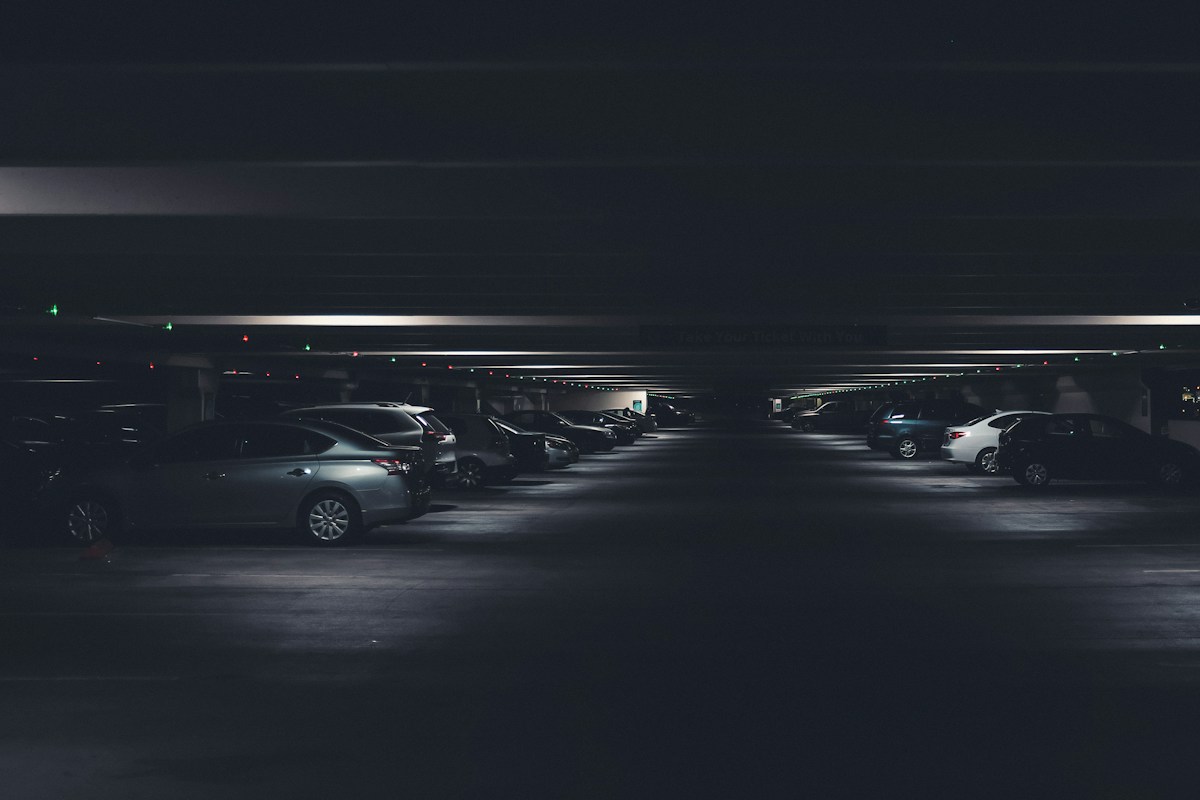
The Rapid Expansion of Vehicular Homelessness
Across American metropolitan centers, coastal suburban communities, and western transit corridors, a rapidly expanding, highly visible, yet fundamentally misunderstood manifestation of housing insecurity has emerged: Vehicular Homelessness. For hundreds of thousands of low-income workers, retired senior citizens, college students, and displaced families, personal motor vehicles, sedans, minivans, commercial work vans, camper shells, and recreational vehicles (RVs), serve as the final physical barrier separating them from literal, unsheltered sidewalk homelessness. When an unexpected eviction, severe medical debt, or catastrophic rent increase strikes a household, the family car becomes their mobile home, primary financial asset, and sole instrument of physical protection.
Safe Parking Programs have emerged as an indispensable, evidence-based crisis intervention engineered specifically to stabilize vehicular residents. A Safe Parking Program is an organized, secure, and professionally managed parking facility where individuals and families living in their vehicles can legally park overnight or twenty-four hours a day without fear of police citations or predatory towing. Operating in repurposed municipal park-and-ride lots, faith-based congregation parking aprons, and commercial facilities, safe parking programs integrate distributed sanitation infrastructure: clean flush restrooms, mobile hot shower trailers, trash compactors, blackwater and greywater dump stations, and electrical charging stations. Research compiled by the Urban Institute Metropolitan Housing Center confirms that safe parking programs cut criminal justice involvement by over seventy percent while serving as an exceptionally high-velocity launchpad into permanent housing.
This master operational, legal, and urban planning guide delivers an exhaustive exploration of safe parking programs and distributed sanitation infrastructure. Examining zoning permits, physical site engineering, mobile sanitation logistics, vehicle repair and registration stabilization, security and restorative codes of conduct, HUD Emergency Solutions Grants (ESG) financing, and rapid exit housing triage, this study provides an authoritative blueprint for municipal leaders, public works directors, parking authorities, and housing advocates seeking to construct dignified vehicular safety networks.
Demographics of Vehicle Dwellers: Working Poor, Seniors, and Nomadic Families
To design effective safe parking interventions, municipal planners and social service providers must dismantle popular stereotypes regarding who lives in vehicles. Far from being chronic, antisocial vagrants, vehicular residents possess demographic profiles that diverge sharply from traditional chronically unhoused single adults. Vehicle dwellers are predominantly the Working Poor, Fixed-Income Senior Citizens, and First-Time Homeless Families who are actively fighting to maintain socio-economic mobility and community connection.
The largest demographic segment consists of Fully Employed Hourly Workers. In high-cost metropolitan markets where median residential rents consume seventy to eighty percent of minimum-wage earnings, workers in service industries, gig economy delivery drivers, home healthcare aides, restaurant staff, and retail associates, find that servicing an apartment lease is mathematically impossible. A functioning passenger vehicle allows them to maintain commute-dependent employment, travel between split work shifts, and store clean uniforms, using their vehicle as a mobile dormitory between work hours.
The second rapidly expanding cohort is Aging Senior Citizens and Disabled Veterans subsisting on fixed Supplemental Security Income (SSI) or Social Security retirement checks averaging nine hundred to fifteen hundred dollars per month. For a seventy-year-old grandmother who worked her entire life as a seamstress or cashier, the death of a spouse or an unexpected rent hike on her rent-controlled apartment instantly expels her into the housing market, where average studio rents exceed eighteen hundred dollars. Purchasing an older used minivan or small travel trailer with modest lifetime savings allows her to maintain personal independence, private sanitation routines, and avoid the violence of congregate shelters.
Furthermore, thousands of Families with Minor Children reside in vehicles, particularly in suburban school districts. Living in a minivan allows parents to maintain educational continuity: driving their children to their familiar neighborhood school every morning, helping them complete homework under battery-operated interior dome lights, and sleeping together safely in Walmart parking lots at night. According to longitudinal data curated by the National Alliance to End Homelessness (NAEH), vehicular residents exhibit significantly higher rates of employment, lower rates of severe untreated psychiatric disability, and dramatically higher motivation for permanent housing exit compared to the general unsheltered population.
Legal Landscapes: Anti-Camping Ordinances, Towing Policies, and Martin v. Boise
The daily lives of vehicular residents are governed by an intricate, highly punitive web of municipal traffic codes, vehicular habitation bans, and commercial parking restrictions. In cities across the United States, municipal city councils, responding to vocal complaints from business associations and residential homeowners regarding visual blight and street parking congestion, have enacted aggressive Vehicular Habitation Ordinances. These local laws make it a misdemeanor crime to sleep, prepare meals, or reside inside a motor vehicle parked on any public street, alleyway, or municipal parking lot.
Compounding habitation bans are aggressive Municipal Towing and Impoundment Policies. Cities enforce strict 72-Hour Maximum Parking Rules, street-sweeping citations, and vehicle registration expiration enforcement. Under standard municipal municipal codes, when a vehicle accumulates five or more unpaid parking tickets, or operates with expired vehicle registration tags exceeding six months, police officers and municipal parking enforcement agents are authorized to execute Non-Judicial Vehicle Towing and Impoundment. For an impoverished vehicular resident who cannot afford five hundred dollars in towing fees and seventy-five dollars per day in commercial impound storage fees, the impound lot becomes a financial death sentence: the city seizes the vehicle, auctions it to commercial scrap yards, and casts the family onto the sidewalk with nothing but the clothes on their backs.
This punitive enforcement paradigm operates in profound constitutional tension with federal civil rights jurisprudence, most notably the landmark Ninth Circuit Court of Appeals ruling in Martin v. City of Boise (2018) and Johnson v. City of Grants Pass (2023). Under Martin v. Boise, the Eighth Amendment prohibition against Cruel and Unusual Punishment forbids municipalities from criminally punishing unhoused individuals for sitting, sleeping, or resting on public property when no adequate alternative shelter is available. Legal scholars argue that seizing an individual only available shelter (their vehicle) without providing an accessible, legal safe parking alternative constitutes an unconstitutional seizure under the Fourth Amendment and an excessive fine under the Eighth Amendment.
Safe Parking Programs provide the definitive legal and constitutional resolution to this municipal dilemma. By establishing designated, legal safe parking locations equipped with proper sanitation and services, municipalities fulfill their legal obligation to provide accessible shelter alternatives. Cities can redirect law enforcement resources away from punitive citation writing toward compassionate diversion: police officers encountering vehicular residents on public streets do not issue criminal citations or dispatch tow trucks; instead, they offer an immediate, voluntary referral and escort to the municipal safe parking facility as analyzed by constitutional legal scholars at the National Low Income Housing Coalition.
Structural Architecture of Safe Parking Programs: Site Typologies and Layouts
Designing and operating a high-capacity safe parking program requires meticulous site selection, spatial engineering, and civil layout planning. A safe parking lot is not merely an empty asphalt lot with a lock on the gate; it is a specialized, trauma-informed temporary residential community that must balance life-safety, vehicular maneuverability, electrical distribution, and personal privacy.
In contemporary municipal practice, safe parking sites generally fall into three primary real estate typologies: Municipal Park-and-Ride / Civic Lots, Faith-Based Congregation Lots, and Industrial / Commercial Logistics Yards. Municipal park-and-ride lots and civic center parking facilities, owned by transit agencies or city governments, represent ideal public sites: they possess large paved surface areas, existing high-mast security lighting, perimeter fencing, and are strategically sited near major arterial transit routes. Faith-based lots, while smaller (typically accommodating ten to twenty-five vehicles), provide deep community trust, neighborhood decentralization, and access to indoor church fellowship halls and restrooms.
Spatial engineering within the lot enforces strict Life-Safety Buffer Zones. In conventional commercial parking, passenger vehicles are parked tightly side-by-side in eight-foot-wide stalls. In a safe parking facility where individuals reside inside vehicles, tight parking induces severe claustrophobia, noise friction, and catastrophic fire spread risks. Facilities enforce an Every-Other-Stall Parking Protocol: vehicles are assigned designated stalls separated by an empty buffer stall, or lots are re-striped with wide, fourteen-to-sixteen-foot residential vehicular stalls. This spatial buffer provides essential acoustic privacy, allows residents to open vehicle doors fully, and permits parents to set up outdoor camping chairs in their designated private zone.
Furthermore, sites are segregated into distinct Vehicular Zones based on vehicle size and occupant demographics. A dedicated Passenger Vehicle and Minivan Zone accommodates standard cars, minivans, and small SUVs. A separate Large RV and Travel Trailer Zone features wide thirty-to-forty-foot pull-through stalls engineered to accommodate heavy motorhomes without tight reversing maneuvers. Finally, high-capacity sites incorporate a Dedicated Family and Single Women Zone: a gated, high-privacy quadrant reserved exclusively for mothers with children and vulnerable single women, monitored by female security navigators to ensure complete psychological and physical safety as curated by the HUD Exchange Housing Design Library.
Physical Infrastructure: Restrooms, Mobile Showers, Trash, and Greywater Disposal
The defining operational component of a safe parking program is the provision of robust, high-capacity Distributed Sanitation Infrastructure. For vehicular residents, the daily struggle to find clean, safe restrooms, hot showers, and legal waste disposal is an exhausting, dehumanizing ordeal. Deprived of municipal infrastructure, residents are often forced to use commercial fast-food restrooms, utilize makeshift buckets inside vehicles, or illegally discharge RV holding tanks into storm drains, generating severe public health hazards and neighborhood contamination.
Safe parking programs resolve this crisis through specialized, multi-modal sanitation infrastructure. At the foundation are Commercial Restroom and Hygiene Trailers. Unlike basic plastic chemical porta-potties, which are cold, poorly lit, and rapidly become foul and unsanitary, modern safe parking facilities deploy heavy-duty, climate-controlled Mobile Restroom Trailers. These trailers feature private, lockable individual stalls with ceramic flush toilets, warm-water handwashing sinks, soap dispensers, paper towel arrays, and large mirrors, providing the dignified hygiene experience of a clean hotel bathroom.
Mobile Hot Shower Trailers are operated on-site, featuring private shower suites equipped with instantaneous tankless water heaters, high-pressure showerheads, changing benches, and clothing hooks. Professional custodial staff execute continuous sanitation: wiping and disinfecting each shower suite between every resident use. Facilities provide clean, commercial towel service and hygiene kits containing shampoo, body wash, razors, and feminine hygiene products, ensuring that residents can prepare for employment interviews and work shifts with professional dignity.
Electrical Hookups, Solar Micro-Grids, and Vehicle Battery Preservation
A critical, frequently overlooked vulnerability of vehicular residency is the constant, existential struggle for Electrical Energy and Battery Preservation. Modern vehicular living demands continuous electrical power: powering medical devices such as continuous positive airway pressure (CPAP) machines for sleep apnea, charging smartphones essential for employment and housing navigation, running small mini-fridges to preserve insulin and food, and powering fans or electric blankets during extreme weather.
In the absence of electrical infrastructure on public streets, vehicle residents are forced to idle their vehicle engines for hours every night to generate alternator power, or run loud, polluting gas-powered commercial generators. Engine idling consumes expensive gasoline, inflicts severe mechanical wear on vehicle engines, and generates hazardous carbon monoxide emissions that can seep into vehicle passenger cabins, causing fatal nighttime poisonings. In winter months, running car batteries down to zero volts by operating interior heaters leaves vehicles stranded with dead batteries the following morning, preventing workers from commuting to jobs.
High-performing safe parking facilities solve this through Shore Power Infrastructure and Solar Micro-Grids. In fully modernized municipal lots, stalls are equipped with Shore Power Electrical Pedestals, delivering 15-amp, 20-amp, and 30-amp electrical hookups directly to each parked vehicle. For passenger vehicles and minivans, weather-sealed GFCI electrical outlets allow residents to plug in heavy-duty extension cords to power laptops, phone chargers, and quiet ceramic space heaters. For RVs, standard 30-amp RV twist-lock receptacles provide complete operational power without running on-board generators.
Operational Site Management: Security Covenants, Relational Monitors, and Code of Conduct
Safety is maintained through 24/7 Dedicated Site Staffing, comprising a specialized blend of Professional Relational Monitors and Peer Navigators. High-capacity programs explicitly reject aggressive, armed private security contractors whose confrontational, authoritarian posturing triggers traumatic stress in vulnerable residents. Instead, programs employ unarmed Relational Site Monitors trained in trauma-informed care, verbal de-escalation, CPR/first aid, and overdose rescue. Monitors maintain continuous, peaceful physical presence: conducting gentle foot patrols of the lot perimeters, monitoring automated gate access, greeting residents by name, and addressing emerging interpersonal frictions with calm, compassionate active listening.
All enrolled participants execute a transparent, mutually agreed-upon Community Code of Conduct upon admission. The code of conduct is engineered around simple, common-sense principles of collective community safety and peaceful enjoyment. Core covenants include: Strict Quiet Hours enforced from 9:00 PM to 7:00 AM; zero tolerance for weapons, open fires, or gas generator operation; strict prohibitions on the consumption or distribution of alcohol or illicit substances in public open spaces of the lot; and mandatory leashing and waste cleanup for all companion pets.
Crucially, rule enforcement follows Restorative Justice and Relational Accountability principles rather than immediate punitive expulsion. If a resident plays loud vehicle music past curfew or has an argument with a neighbor, staff do not immediately expel the family onto the street; instead, staff convene an informal restorative conversation the following morning to understand the underlying stressor, establish collaborative boundaries, and repair community harmony. Disciplinary termination is legally and operationally reserved as an absolute last resort for severe, unmitigated physical violence, ensuring that the facility remains an unshakeable sanctuary of peace as championed by the National Alliance to End Homelessness.
Vehicle Stabilization as a Housing Intervention: Registration, Insurance, and Mechanical Repair
A profound operational insight pioneered by mature safe parking programs is the recognition that Vehicle Stabilization is an Indispensable Housing Intervention. In vehicular homelessness, the motor vehicle is the physical structure of the home. If an individual loses their vehicle due to mechanical failure or municipal impoundment, they do not simply lose a transit device; they lose their bedroom, their security, and their possessions, falling instantly into literal sidewalk homelessness.
High-capacity safe parking programs establish dedicated Flexible Vehicle Stabilization Funds. These funds are deployed with speed and agility to eliminate the three primary legal and mechanical vulnerabilities that threaten vehicular residents: Registration, Insurance, and Mechanical Repair. First, programs clear Vehicle Registration Arrears. When low-income residents fall behind on annual state Department of Motor Vehicles (DMV) registration fees and emissions smog checks, late penalties compound rapidly into thousands of dollars of debt, rendering the vehicle subject to immediate police impoundment. Housing navigators partner with state DMVs, utilizing flexible client aid funds to pay delinquent fees, secure official smog certifications, and obtain legal registration tags, shielding the vehicle from law enforcement seizure.
Second, programs provide Subsidized Automotive Insurance Assistance. In many jurisdictions, operating an uninsured motor vehicle is a serious traffic violation resulting in vehicle impoundment and license suspension. Programs provide matching cash grants to help residents establish affordable, basic liability automotive insurance policies, ensuring complete legal compliance and protecting the household from catastrophic civil liabilities in the event of an accident.
Third, programs partner with certified local automotive repair facilities to deliver Emergency Mechanical Repairs. Program mechanics visit the safe parking lot or inspect vehicles at partner garages, executing critical mechanical repairs: replacing broken alternators, fixing blown radiators, replacing worn brake pads, repairing damaged ignition switches, and replacing bald tires. For RV residents, specialized mobile RV technicians repair onboard propane heating lines, fix leaking roof seals, and service blackwater valve mechanisms. Keeping the vehicle legally compliant, roadworthy, and mechanically sound preserves the family sanctuary, protects commute-dependent employment, and maintains household solvency as documented by the Center for Health Care Strategies (CHCS).
Housing Navigation Workflows: Rapid Re-Housing Pipeline Directly from the Lot
The overarching strategic mission of a safe parking program is not to maintain individuals indefinitely in vehicles; it is to serve as an active, high-velocity Rehousing Launchpad that guides residents into permanent residential housing. A safe parking program that provides excellent security and sanitation, but allows families to languish for years in parking stalls without housing progress, functions as a secondary institutional parking lot rather than a crisis resolution intervention.
High-performing safe parking facilities embed full-time, dedicated Housing Navigators on-site. Operating out of mobile administrative office trailers or private consultation tents right inside the lot, navigators initiate Housing Exit Triage within forty-eight hours of a participant enrollment. The navigator conducts standardized Coordinated Entry System vulnerability assessments, registers the household in the regional Homeless Management Information System (HMIS), and establishes a tailored Housing Stabilization Roadmap.
Navigators work with participants to assemble complete Document Readiness Portfolios: obtaining certified birth certificates, state identification cards, Social Security award letters, and tax records. The safe parking address serves as the participant official, permanent mailing address, allowing residents to receive critical government mail, housing voucher interview notices, and employment checks without risk of missed mail on the street.
Furthermore, safe parking navigators maintain direct, active pipelines into regional Rapid Re-Housing (RRH) and Permanent Supportive Housing (PSH) programs. Navigators match participants to available private-market apartments, assist with application fees and security deposits, and coordinate with specialized landlord recruitment liaisons to overcome tenant screening algorithm barriers. Because vehicular residents already possess high baseline functional autonomy, independent living skills, and earned income, their transition into permanent private leases is exceptionally rapid: high-capacity programs achieve average lengths of stay of sixty to one hundred and twenty days, graduating over sixty-five percent of participants directly into permanent residential leases as documented by the Urban Institute Metropolitan Housing Center.
Community Relations and Municipal Permitting: Overcoming Local NIMBY Opposition
The primary barrier preventing the establishment and geographic expansion of safe parking programs is intense localized community opposition, commonly characterized as Not In My Backyard (NIMBY) resistance. When a city or non-profit proposes opening a safe parking lot near residential neighborhoods or commercial business corridors, nearby residents and shopkeepers frequently mobilize in fierce opposition, fearing increased street crime, vandalism, discarded needles, human waste on sidewalks, and plunging residential property values.
Overcoming community opposition requires proactive, strategic, and transparent Community Engagement Protocols. High-performing municipal leaders reject covert site openings; they host structured community town halls, business improvement district briefings, and small-group neighborhood meetings weeks prior to lot activation. Program leaders present empirical facts that directly dismantle neighborhood myths: demonstrating that safe parking programs do not attract crime; rather, they eliminate street crime and unsanitary conditions by moving vehicles off neighborhood streets into secure, monitored, and fully sanitized private lots.
Central to community peace is the execution of a formal Good Neighbor Agreement (GNA) with surrounding neighborhood associations. Key provisions codified in the GNA include: Strict Perimeter Enforcement: a zero-camping and zero-loitering radius enforced by site staff within a three-block perimeter around the facility; a 24/7 Community Hotline answered immediately by on-site managers to resolve any neighborhood concern; and daily morning sidewalk cleanliness sweeps conducted by program maintenance staff to keep surrounding streets pristine.
Financing Safe Parking Operations: Blending HUD ESG, ARPA, and Municipal General Funds
Sustaining high-capacity safe parking infrastructure requires advanced, blended public and philanthropic capital stacking. While operating a safe parking lot is vastly less expensive than constructing brick-and-mortar buildings, high-performing programs require consistent operating capital to finance 24/7 relational staffing, mobile restroom and shower trailer leases, weekly septic pumping contracts, trash disposal, and dedicated housing navigation personnel.
At the federal statutory level, the primary funding engine is the HUD Emergency Solutions Grants (ESG) Program. Federal ESG regulations explicitly authorize cities, urban counties, and state grantees to allocate ESG funds toward Emergency Shelter Operating Costs, which fully covers safe parking lot operations. ESG funds cover physical site leases, portable sanitation rentals, utility connections, insurance, and supportive service case management salaries. Furthermore, Continuums of Care allocate competitive federal Continuum of Care (CoC) grants to fund dedicated Rapid Re-Housing navigators embedded within safe parking sites.
At the state and municipal level, local governments aggressively deploy American Rescue Plan Act (ARPA) State and Local Fiscal Recovery Funds (SLFRF) and dedicated local voter-approved homeless tax measures. Cities such as Los Angeles (Measure H), Seattle, San Diego, and Denver allocate dedicated municipal sales tax increments and general fund revenues to finance safe parking operations. Local public funds are particularly valuable because they carry zero federal regulatory restrictions, permitting flexible expenditures for vehicle repair grants, vehicle registration and insurance payments, and direct client emergency cash assistance.
Philanthropic foundations, corporate giving circles, and regional United Way chapters provide the final, essential layer of flexible capital. Philanthropic grants provide seed capital to launch new pilot sites, purchase mobile shower trailers, and finance non-traditional client needs that public funds restrict. By braiding federal ESG formula grants with local municipal tax revenues and philanthropic capital, communities build a resilient, fully funded vehicular safety infrastructure that operates without disruption year-round as analyzed by researchers at the Urban Institute Policy Centers.
Systemic Efficacy: Exit Velocity, Recidivism Reduction, and Cost-Effectiveness
From a public finance, health economics, and systems performance perspective, safe parking programs represent one of the most cost-effective and high-velocity crisis resolution models in the entire social welfare spectrum. Comprehensive evaluations conducted across major metropolitan Continuums of Care consistently demonstrate that safe parking programs deliver extraordinary outcomes across every measurable benchmark.
In Systemic Exit Velocity, safe parking programs achieve permanent housing placement rates that significantly outperform traditional congregate emergency shelters. While traditional congregate shelters struggle with average lengths of stay exceeding six to nine months and permanent housing exit rates below thirty to forty percent, high-performing safe parking programs achieve permanent housing exit rates of 55 to 70 percent, with an average length of stay of only 75 to 110 days. Because vehicular residents possess vehicles to travel to job interviews and housing tours, their ability to execute rapid private-market lease transitions is unmatched.
From a municipal cost-benefit perspective, the economic returns are decisive. Operating a safe parking stall costs between $35 and $65 per vehicle per night, combining 24/7 security, mobile sanitation trailers, and full-time housing navigation. In stark contrast, an emergency congregate shelter bed costs $55 to $90 per night, an emergency motel voucher costs $140 to $220 per night, and an inpatient hospital stay costs over $3,000 per day. When factoring in the radical reduction in police dispatches, towing court dockets, emergency department visits, and environmental HazMat cleanups, safe parking programs save municipal taxpayers millions of dollars annually while treating vulnerable citizens with profound dignity and care as documented by the HUD Exchange Policy Guidelines.
Comparative Typology of Vehicular Shelter and Parking Models
To design an optimal, comprehensive municipal vehicular response system, city managers, police chiefs, and Continuum of Care executives must systematically evaluate the operational parameters, physical amenities, staffing models, and rehousing efficacies across available vehicular parking frameworks. Misallocating capital to unmanaged or punitive models wastes public resources and exacerbates street homelessness: opening unmanaged overnight lots leads to severe crime and community backlash, while relying solely on police sweeps simply disperses vehicles into adjacent neighborhoods.
The comparative matrix below provides an authoritative technical breakdown of the four primary vehicular parking and shelter frameworks operating across North American municipalities: Managed 24/7 Safe Parking Programs, Managed Overnight-Only Safe Parking Lots, Unmanaged Designated Municipal Parking Zones, and Traditional Street Parking with Enforcement / Towing. By comparing physical infrastructure, on-site staffing, security, average daily operating cost per vehicle, and permanent housing exit rates, this matrix equips leadership teams with the strategic clarity required to govern high-impact vehicular safety networks.
| Parking Model | Operating Hours & Access | Physical Sanitation Infrastructure | On-Site Staffing & Security | Average Operating Cost / Vehicle | Permanent Housing Exit Rate |
|---|---|---|---|---|---|
| Managed 24/7 Safe Parking | 24/7 continuous reserved stall; free in/out access | Full: flush restrooms, hot showers, power, dump station | 24/7 relational monitors, dedicated housing navigators | $45 to $65 per vehicle/day | 60% to 75% permanent exits |
| Managed Overnight-Only Parking | Evening only: 7:00 PM entry to 7:00 AM exit | Moderate: mobile restroom trailer, handwashing, trash | Overnight security guard, visiting part-time navigator | $25 to $40 per vehicle/day | 40% to 55% permanent exits |
| Unmanaged Designated Zones | Unregulated public parking in industrial zones | Minimal to None: occasional porta-potty or public dumpster | Zero staff; periodic police patrols only | $10 to $20 per vehicle/day (cleanup costs) | Under 15% (high stagnation) |
| Street Enforcement & Towing | Illegal: 72-hour limits, parking citations, towing | Zero: street gutters, commercial fast food restrooms | Adversarial: armed police & parking enforcement agents | $85 to $150 per action (police & impound overhead) | Zero (drives 100% sidewalk homelessness) |
Synthesizing these comparative models demonstrates that Managed 24/7 Safe Parking is unequivocally the most effective, humane, and economically sound vehicular housing model available to modern municipalities. While punitive street towing simply pushes families into sidewalk tents and costs taxpayers thousands of dollars in emergency services, and unmanaged parking zones deteriorate into chaotic encampments, managed safe parking provides an orderly, dignified sanctuary. By pairing 24/7 continuous access, mobile sanitation, electrical hookups, and dedicated housing navigation, communities preserve vehicular assets, restore public health, and create a fast, permanent highway into residential stability.
Frequently Asked Questions About Safe Parking Programs and Sanitation Infrastructure
What is a Safe Parking Program?
A Safe Parking Program is an organized, secure, and professionally managed parking facility where individuals and families living in their motor vehicles can legally park without fear of citations or towing, equipped with restrooms, hot showers, electricity, and on-site housing case management.
Who lives in their vehicles in modern American cities?
Vehicular residents are predominantly the working poor (service workers, gig drivers, nursing assistants), fixed-income seniors on Social Security, and families with minor children who cannot afford soaring metropolitan market rents but possess functioning vehicles to maintain stability.
What is the difference between 24/7 safe parking and overnight-only parking?
Overnight-only lots require participants to enter at 7:00 PM and vacate by 7:00 AM every morning. 24/7 safe parking provides a dedicated, reserved stall 24 hours a day with free in-and-out privileges, permitting daytime rest, work flexibility, and continuous service access.
How do safe parking programs assist with vehicle repairs and legal compliance?
Programs deploy flexible financial assistance funds to pay delinquent state DMV registration fees, obtain vehicle emissions smog checks, secure automotive liability insurance, and contract with certified mechanics to execute critical repairs (brakes, alternators, radiators).
How do safe parking programs address neighborhood NIMBY concerns?
Operators execute formal Good Neighbor Agreements with surrounding communities, provide 24/7 on-site unarmed relational security, enforce strict 9:00 PM quiet hours, conduct daily perimeter sidewalk cleanliness sweeps, and maintain an immediate-response manager hotline.
What legal protections apply to vehicular residents under Martin v. Boise?
Federal Ninth Circuit jurisprudence (Martin v. Boise) establishes that the Eighth Amendment prohibits criminal punishment for sleeping in public spaces when no adequate shelter alternatives exist. Seizing an unhoused person vehicle without providing safe parking alternatives violates constitutional protections.
What is the average length of stay in a safe parking program?
High-performing safe parking programs achieve an average length of stay of 75 to 110 days, with 60 to 75 percent of participants exiting directly into permanent residential leases through on-site rapid re-housing navigators.
How are safe parking facilities funded sustainably?
Programs are funded by braiding federal HUD Emergency Solutions Grants (ESG) for emergency shelter operations with local voter-approved sales tax levies, ARPA fiscal recovery funds, and private philanthropic foundation grants.
Future Horizons: Institutionalizing Safe Parking in Municipal Urban Planning
The institutional normalization of safe parking programs marks a necessary, pragmatic, and deeply humane awakening in American urban planning. For decades, municipal policy treated vehicular residency with hostility, treating unhoused workers and seniors who slept in their cars as criminals to be ticketed, harassed, and towed into destitution. In recognizing that a motor vehicle is not a nuisance to be eliminated, but a precious, protective physical sanctuary that preserves human dignity and economic viability, safe parking programs transform urban planning from an instrument of exclusion into an architecture of restorative compassion.
Authored and Reviewed by the NHREA Editorial Board
Housing Policy Analysts, Urban Planners and Healthcare Advocates

Comments are closed