Table of Contents
In the modern era, internet connectivity and digital literacy are no longer luxury items; they are essential requirements for navigating daily life. From applying for jobs and managing bank accounts to accessing telehealth services and completing schoolwork, the digital world is integrated into almost every aspect of social and economic participation. Yet, for individuals experiencing housing instability, the lack of hardware and connectivity creates a massive “digital divide.” Integrating access to technology within transitional housing systems is a critical requirement for building stability and helping residents achieve self-sufficiency.
The Impact of the Digital Divide on Housing Stability
For residents of transitional housing, the absence of a personal computer or stable internet connection functions as an invisible barrier to progress. Online job applications require active email accounts and constant connectivity to receive interview requests. Government benefits, such as SNAP and Medicaid, are increasingly managed via online portals. Without technology access, residents must spend hours traveling to public libraries or government centers, delaying their transition out of shelters. The digital divide is a major cause of extended housing transitions.
Comparing Standard Shelters and Tech-Integrated Transitional Housing
To highlight the structural benefits of technology access, the table below compares standard shelters with modern, tech-integrated transitional housing facilities across key resident outcomes:
| Resident Need | Standard Shelter Environment | Tech-Integrated Transitional Housing |
|---|---|---|
| Job Search & Applications | Difficult (limited to smart-phones or library visits) | Seamless (on-site computer labs & high-speed Wi-Fi) |
| Educational Access | Low (children struggle to complete online homework) | High (dedicated student study zones with tablets) |
| Healthcare Access | Relies on physical emergency room or clinic visits | Integrated (private booths for telehealth appointments) |
| Administrative Agency | Low (dependence on off-site caseworkers) | High (residents manage banking & benefits portals directly) |
Key Best Practices for Tech Integration in Housing
Housing providers can implement several key strategies to successfully close the digital divide:
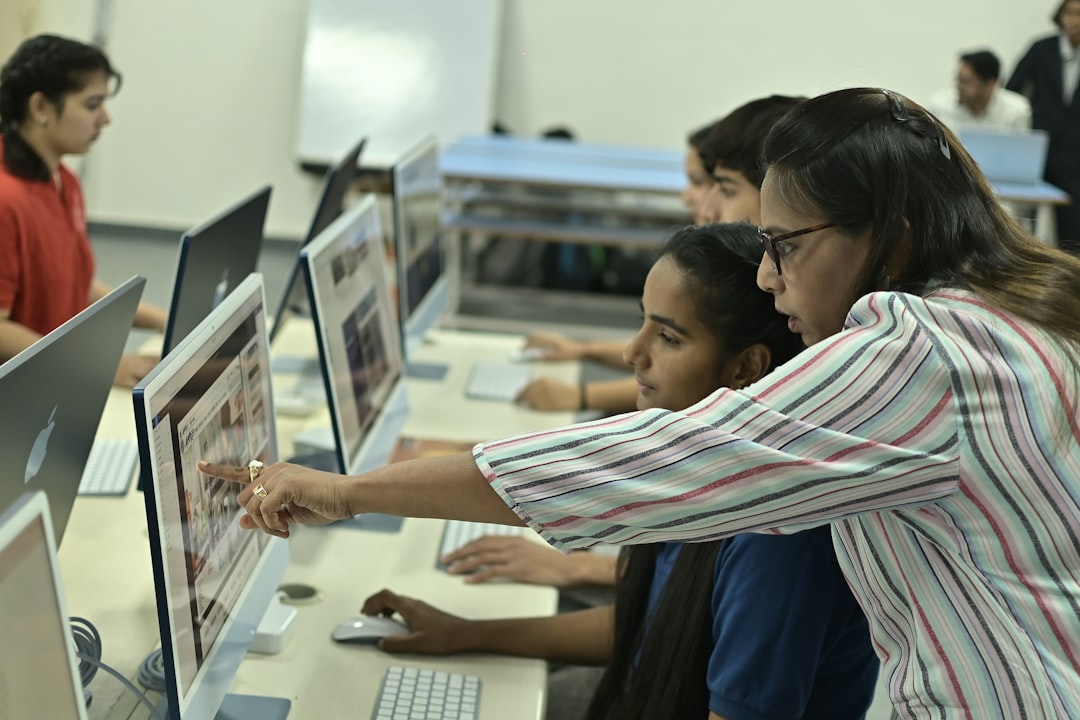
- On-Site Computer Labs: Establish secure, supervised computer labs equipped with printers, scanning devices, and updated software.
- Facility-Wide High-Speed Wi-Fi: Ensure stable, secure Wi-Fi extends to resident rooms, allowing students and job-seekers to study and apply for positions in a private, quiet setting.
- Digital Literacy Training: Technology is only useful if residents know how to use it. Programs must offer basic computer classes, resume building tutorials, and workshops on online safety.
- Hardware Loan Programs: Partner with corporate donors to distribute refurbished laptops or tablets to residents transitioning into permanent homes, ensuring their digital connection remains unbroken.
FAQ Section
1. What is the digital divide in the context of homelessness?
The digital divide refers to the gap between individuals who have access to modern information and communication technology (such as high-speed internet and computers) and those who do not. For individuals experiencing homelessness, this divide is severe due to the cost of devices, lack of public charging stations, and lack of stable Wi-Fi.
2. How does internet access help children in transitional housing?
Modern schools require students to complete homework and access grades online. Children living in shelters without Wi-Fi or laptops quickly fall behind their peers academically. Providing computer access and study areas in transitional housing ensures these students maintain educational continuity.
3. Are there privacy concerns with public computer labs in housing facilities?
Yes. Computer labs must utilize specialized security software that automatically wipes user data, browser histories, and passwords after each session. Residents should be trained on how to log out of their personal banking and email accounts safely to protect against identity theft.
4. How can non-profits fund technology installations?
Non-profits can fund technology projects by partnering with corporate social responsibility (CSR) initiatives of tech companies, securing municipal community development block grants (CDBG), and working with organizations like “PCs for People” that provide affordable, refurbished hardware.
5. What is telehealth, and how does it help housing residents?
Telehealth allows individuals to consult with healthcare professionals virtually via video call. In transitional housing, telehealth rooms provide a private space for residents to receive therapy, medication management, and general consultations without having to travel, which is highly beneficial for those with physical disabilities or severe mental health conditions.
6. Can technology integration help formerly homeless adults find remote work?
Yes. With proper digital training and access to quiet workspaces, some residents can transition into remote customer support, data entry, or virtual assistant roles, expanding their employment opportunities beyond local physical jobs.
Conclusion
Bridging the digital divide in transitional housing systems is a necessary component of modern social advocacy and E-E-A-T standards. By providing computer labs, high-speed Wi-Fi, and digital literacy training, housing providers remove a major systemic barrier to self-sufficiency. Technology empowers residents, enabling them to navigate the modern economy, succeed academically, and build stable, independent futures.


Comments are closed