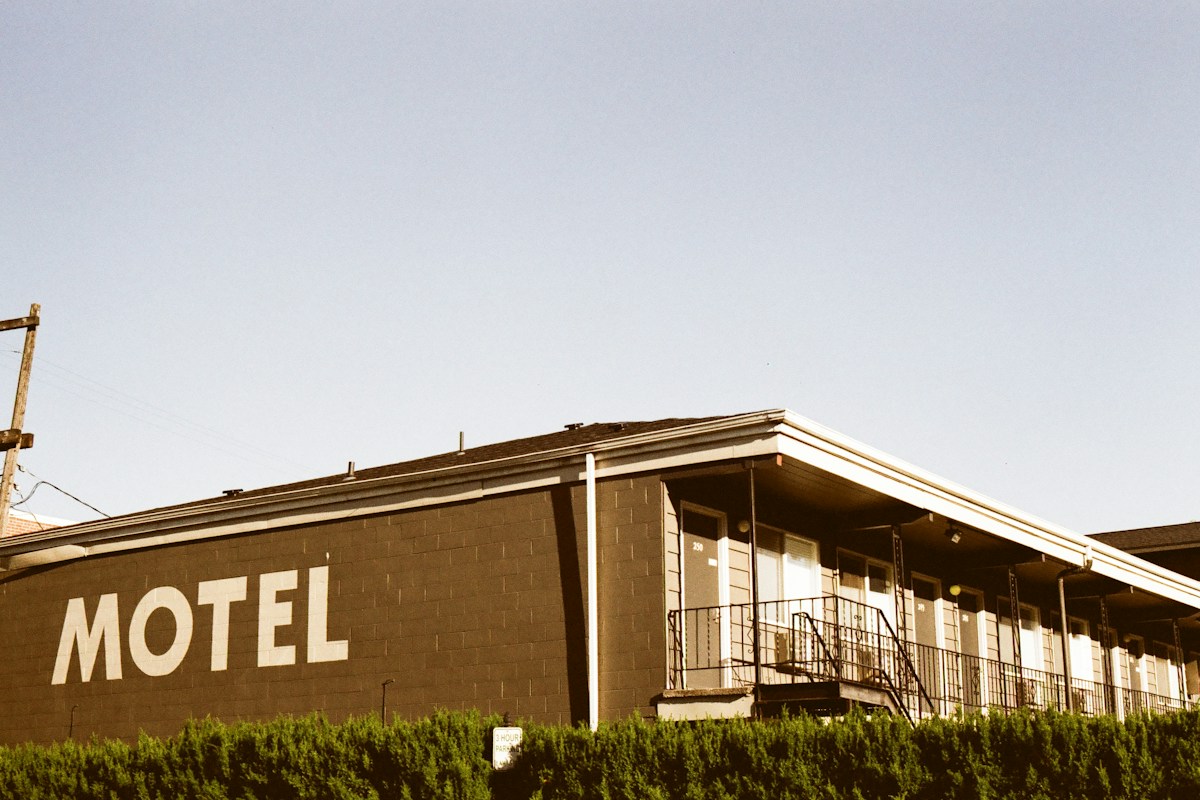
The Adaptive Reuse Revolution in Interim Housing
Across American cities and suburban municipalities, the homelessness crisis has long been characterized by a catastrophic temporal mismatch: while unsheltered individuals and families require immediate physical safety today, traditional ground-up affordable housing developments require four to seven years to assemble complex capital financing, secure contentious discretionary zoning approvals, complete environmental reviews, and execute construction. During those long years of pre-development delay, thousands of vulnerable human beings endure catastrophic health deterioration and violence on public sidewalks. To bridge this acute temporal chasm, municipal housing authorities, state governments, and non-profit developers have pioneered a transformative real estate strategy: Hotel and Commercial Motel Adaptive Reuse.
Motel adaptive reuse represents the rapid acquisition and physical conversion of existing, underutilized, or distressed commercial lodging properties into non-congregate interim shelter and permanent supportive housing (PSH). Motels are naturally pre-engineered for residential living: each guestroom already possesses an individual private entrance, private en-suite bathroom, individual climate control, and electrical sub-metering infrastructure. By repurposing existing hospitality assets rather than building from scratch, municipalities compress development timelines from five years down to as few as four to six months, while slashing per-unit capital development costs by forty to sixty percent. Comprehensive evaluations published by the Terner Center for Housing Innovation at UC Berkeley demonstrate that motel conversions represent the fastest, most cost-effective real estate mechanism for producing scalable non-congregate shelter in modern housing history.
Catalyzed initially by emergency pandemic measures such as California historic Project Roomkey and expanded into permanent capital acquisitions through the multibillion-dollar Homekey initiative, motel adaptive reuse has fundamentally reshaped the national crisis response infrastructure. By replacing dangerous, congregate shelter dormitories with dignified, private motel rooms, public systems provide unhoused residents with immediate personal safety, lockable privacy, and continuous on-site supportive case management. Research compiled by the Urban Institute Metropolitan Housing Center confirms that residents entering converted motel interim housing exhibit eighty-five percent higher rates of stability, seventy percent fewer emergency room visits, and accelerate permanent supportive housing exits by nearly forty percent compared to traditional shelter environments.
This master real estate, architectural, and operational guide delivers an exhaustive technical exploration of hotel and motel adaptive reuse. Examining architectural retrofits, commercial kitchen conversions, mechanical plumbing upgrades, CEQA and statutory zoning exemptions, American Rescue Plan Act (ARPA) and state capital stacking, Good Neighbor Agreements, and two-step permanent housing transitions, this document provides an authoritative blueprint for municipal leaders, affordable housing developers, philanthropic foundations, and housing authorities seeking to deploy adaptive reuse at scale.
Macroeconomic Drivers of Hospitality Conversion: Distressed Assets and Speed to Market
The macroeconomic feasibility of motel adaptive reuse is driven by structural shifts within commercial hospitality and commercial real estate finance. Over the past decade, changing consumer travel preferences, the growth of online vacation rentals, corporate travel contractions, and macroeconomic inflation have placed intense financial pressure on secondary and tertiary commercial lodging properties. Independent, budget roadside motels and aging franchise properties constructed in the 1960s, 70s, and 80s along commercial transportation corridors frequently struggle with declining revenue per available room (RevPAR), elevated vacancy rates, and looming commercial mortgage-backed securities (CMBS) debt maturities.
Speed to market represents the definitive advantage of adaptive reuse. In urban housing development, land acquisition, architectural drafting, environmental impact litigation, and multi-layered municipal public hearings routinely consume thirty-six to forty-eight months before a single shovel enters the ground, followed by twenty-four months of physical construction. In stark contrast, a motel adaptive reuse acquisition can close escrow in sixty to ninety days. Utilizing agile turn-key cosmetic renovations, upgrading door locks, painting, replacing flooring with commercial luxury vinyl tile, and installing security cameras, converted motels can begin admitting unhoused guests within ninety to one hundred and twenty days of purchase.
This rapid deployment velocity delivers profound public health and civic benefits. Instead of leaving unhoused encampments to expand on surrounding commercial sidewalks while waiting years for permanent towers to open, cities deploy adaptive reuse to resolve sprawling street encampments in a single season. Entire neighborhood encampments are brought indoors simultaneously into private, dignified motel rooms, clearing public sidewalks without punitive police sweeps, restoring neighborhood commercial vibrancy, and wrapping vulnerable residents in immediate supportive services as documented by the National Low Income Housing Coalition.
Architectural Typologies of Motel Properties: Exterior Corridors vs Interior Hallways
In evaluating prospective commercial lodging assets for adaptive reuse, architects and housing developers must analyze the distinct structural typologies of commercial motels. The physical layout of a motel directly governs life-safety compliance, site security, operational staffing ratios, and conversion capital expenses. In modern real estate acquisitions, properties generally fall into two primary architectural typologies: Exterior-Corridor Motels and Interior-Corridor Hotels.
However, exterior-corridor properties present distinct site security challenges. Because the property is open to the street, securing the site against outside trespassers, drug distributors, or unauthorized visitors requires comprehensive perimeter fencing. Housing operators install decorative eight-foot perimeter fencing with automated electronic vehicle gates and single-point pedestrian turnstiles monitored 24/7 by front-desk security staff. The central surface parking lot is frequently activated as a vibrant community courtyard, transforming asphalt into shaded green spaces, outdoor dining pavilions, dog parks, and community gardening beds.
Interior-Corridor Hotels, typical three-to-four-story corporate extended-stay or limited-service franchise properties, feature enclosed interior hallways, central elevator banks, and a consolidated single entrance. Interior-corridor properties provide superior acoustic insulation, simplified climate control, and centralized access control: all guests and visitors must physically pass the front reception desk to access guestrooms. However, converting interior-corridor properties requires careful attention to fire life-safety systems, indoor corridor ventilation upgrades (such as adding dedicated outdoor air systems, DOAS), and rigorous pest control protocols to prevent bedbugs or roaches from migrating between units through demising wall electrical chases as curated by the HUD Exchange Housing Design Library.
Physical Renovation Mechanics: Kitchenette Retrofits, Plumbing Stacks, and Electrical Panels
While commercial motels provide excellent raw residential shells, transforming a hotel room designed for a forty-eight-hour tourist stay into a functional, dignified interim or permanent residential home requires targeted Physical Renovation Mechanics. The primary engineering bottleneck in motel conversion centers on three interconnected systems: Kitchenette Retrofits, Plumbing Drainage Stacks, and Electrical Panel Capacity.
In standard hotel rooms, culinary infrastructure is virtually non-existent, limited to a small bar sink and a microwave shelf. For long-term residential occupancy, residents must have the capacity to prepare nutritious, independent meals. Installing Kitchenettes requires cutting into interior drywall to tie into existing bathroom plumbing stacks for sink drainage and hot/cold water supply lines. Developers install compact, durable kitchenette modules featuring a stainless-steel sink, quartz or solid-surface countertops, upper and lower storage cabinetry, a full-sized or apartment-sized two-door refrigerator-freezer, and an energy-efficient two-burner electric induction cooktop. Induction cooktops are selected because they operate via electromagnetic induction, generating zero open flames and automatically shutting off when cookware is removed, eliminating residential kitchen fire risks.
Electrical Panel and Service Capacity upgrades represent a major technical milestone. Older commercial motels were engineered with modest electrical service (typically 30 to 40 amps per room), designed to power a television, a few incandescent lamps, and a small wall-mounted packaged terminal air conditioner (PTAC). Introducing modern appliances, high-wattage induction cooktops, microwaves, refrigerators, and electric water heaters, rapidly exceeds existing panel capacity, risking frequent circuit breaker tripping and electrical fire hazards. Developers execute electrical modernization: replacing outdated main service switchboards, running new dedicated 60-to-100-amp subpanels to each unit, and converting all lighting to energy-efficient LED fixtures.
Furthermore, mechanical ventilation and HVAC infrastructure require comprehensive retrofits. Traditional hotel PTAC units are notorious for high energy consumption, loud compressor noise, and poor air filtration. Developers replace obsolete PTACs with High-Efficiency Mini-Split Heat Pump Systems. Ductless mini-split heat pumps provide whisper-quiet heating and air conditioning, allow individual temperature control via digital wall thermostats, cut electrical operating costs by over forty percent, and incorporate high-grade MERV-13 air filtration that protects resident respiratory health from outdoor smoke and airborne pollutants as documented by researchers at the Urban Institute Centers on Social Policy.
Zoning, Permitting, and CEQA/NEPA Relief: Overcoming Municipal Regulatory Hurdles
Historically, the primary barrier preventing the rapid conversion of commercial lodging properties into affordable residential housing was not construction engineering, but archaic Municipal Zoning Codes and protracted Environmental Review Litigation. Under standard municipal zoning ordinances, commercial motels are sited in commercial or industrial zones where permanent residential multifamily housing is strictly prohibited by-right. Securing rezoning, conditional use permits (CUPs), and variances routinely required years of public hearings, planning commission reviews, and discretionary city council votes.
Compounding zoning hurdles was the exploitation of Environmental Review Statutes, most notably the California Environmental Quality Act (CEQA) and the federal National Environmental Policy Act (NEPA). In affluent suburban neighborhoods, organized homeowner associations and NIMBY opposition groups frequently weaponized environmental review statutes, filing administrative appeals and meritless lawsuits alleging that converting a motel into supportive housing would generate noise, traffic, and aesthetic environmental impacts. These environmental lawsuits paralyzed conversion projects in litigation for three to five years, driving up legal expenses and causing private motel sellers to cancel purchase contracts.
At the federal level, the Department of Housing and Urban Development (HUD) has streamlined environmental review compliance for properties acquiring federal funds (such as HOME, CDBG, and ESG). Conversions that do not alter building footprints or increase unit capacity by more than twenty percent qualify for Categorical Exclusion Not Subject To (CENST) or Categorical Exclusion Subject To (CEST) streamlined reviews, allowing local environmental officers to complete federal clearance in weeks rather than years. Eliminating regulatory bureaucracy ensures that public capital flows directly into immediate bed production rather than endless legal litigation as highlighted by the Terner Center for Housing Innovation.
Capital Acquisition and Stacking: Homekey Models, ARPA SLFRF, and HUD ESG
Financing the acquisition, physical rehabilitation, and continuous operations of motel adaptive reuse projects requires sophisticated, blended Capital Stacking. Traditional Low-Income Housing Tax Credit (LIHTC) syndication, the dominant financing engine for affordable housing in America, is structurally ill-suited for rapid acquisitions: LIHTC allocations operate on rigid annual competitive cycles that require eighteen to twenty-four months simply to close financing, a timeline that commercial motel sellers will not tolerate. Adaptive reuse demands agile, rapid-closing patient public capital.
At the federal level, municipalities have aggressively leveraged the American Rescue Plan Act (ARPA) State and Local Fiscal Recovery Funds (SLFRF). Federal SLFRF regulations explicitly authorize cities and counties to allocate their flexible federal fiscal relief funds toward the acquisition, construction, and rehabilitation of affordable and non-congregate interim housing. ARPA funds serve as flexible first-loss capital, allowing municipalities to execute quick cash offers on commercial lodging properties without commercial lender debt covenants.
Operational Property Management in Converted Motels: Separation of Roles and Life Safety
The daily operational management of a converted motel housing dozens of formerly unsheltered individuals requires specialized property management protocols. While the physical building resembles a commercial motel, its operational reality is a complex, supportive residential community. Managing these facilities successfully requires establishing a strict Separation of Functions between Property Management Asset Operations and Supportive Services Delivery.
Life Safety Systems represent a non-negotiable operational imperative in converted motels. Facilities undergo comprehensive commercial fire life-safety upgrades: installing commercial fire sprinkler heads in every room, upgrading smoke detectors to smart multi-criteria optical sensors that distinguish culinary steam from actual smoke, and installing automated external defibrillators (AEDs) and naloxone rescue cabinets in all corridors. Properties maintain 24/7 Front Desk Relational Concierge Staffing: desk personnel welcome residents, manage visitor logs, receive package deliveries, and monitor exterior security camera arrays, creating a warm, dignified, and secure environment for everyone on site.
Furthermore, property management establishes non-punitive, barrier-free Pest Management Protocols. Rather than blaming residents for introducing bedbugs or roaches and threatening disciplinary fines, management assumes full financial and operational responsibility for pest eradication. Management deploys specialized non-toxic thermal heat treatments and eco-friendly biopesticides, accompanied by on-site laundry assistance, eliminating pests across entire wings in a single treatment cycle without punishing residents as championed by the National Alliance to End Homelessness (NAEH).
On-Site Supportive Services Integration: Case Management Suites and Community Amenities
A converted motel is not merely a collection of private bedrooms; it is an integrated community of care. The physical conversion of a hospitality property must include the adaptive reuse of existing commercial and administrative spaces to house comprehensive, on-site supportive services and community amenities.
The former motel registration lobby and administrative back-offices are reconfigured into a vibrant Supportive Services Hub. The front desk becomes a welcoming community reception counter, while administrative offices are transformed into private, soundproof consultation rooms for licensed clinical social workers, housing navigators, behavioral health counselors, and visiting medical nurses. Facilities frequently incorporate a dedicated Telehealth Consultation Suite equipped with high-speed broadband, secure video conferencing displays, and medical diagnostic peripherals, connecting residents directly to remote psychiatrists and primary care physicians.
Commercial support amenities are similarly repurposed to foster resident well-being and community connection. Former hotel continental breakfast rooms or on-site restaurant facilities are converted into Commercial Teaching Kitchens and Community Dining Lounges, hosting communal cooking workshops, nutrition education circles, and catered community meals. Former commercial laundries are upgraded with heavy-duty commercial washers and dryers, providing free, dignified self-service laundry access for all residents.
Comparing Development Economics: Adaptive Reuse vs Ground-Up Construction
From an underwriting, public finance, and urban economics perspective, the financial comparison between motel adaptive reuse and traditional ground-up new construction is overwhelming. In high-cost coastal and metropolitan housing markets, the economics of ground-up affordable housing development have reached an unsustainable crisis point, threatening the fiscal capacity of municipal housing programs.
Consider the stark development cost differential documented in independent financial audits across California, Washington, and New York. Developing a single new unit of permanent supportive housing via traditional ground-up construction costs between $650,000 and $950,000 per door, driven by land acquisition costs, multi-year architect and engineering fees, complex financial syndication legal expenses, and high construction labor and materials costs. In stark contrast, acquiring and rehabilitating an existing commercial motel through adaptive reuse averages between $150,000 and $320,000 per door in total all-in development capital. For the identical public investment required to build a single 100-unit ground-up tower ($80 million), a municipality deploying adaptive reuse can acquire and open four separate motel communities totaling 350 to 500 private units.
The temporal economic returns compound this advantage. In real estate finance, carrying costs, construction loan interest, insurance, and inflation erode capital during multi-year pre-development delays. Ground-up developments incur millions of dollars in soft financing costs before construction even commences. Motel adaptive reuse compresses soft costs to a tiny fraction of the budget, closing transactions quickly and deploying capital directly into physical real estate assets.
When systemic public cost avoidance is integrated into econometric models, the return on investment becomes exponential. Every month an unhoused individual remains on the street while waiting for a ground-up building to be constructed costs local municipal taxpayers between $3,500 and $6,000 in emergency medical dispatches, hospital inpatient stays, police responses, and encampment cleanups. Opening motel interim housing in four months rather than five years prevents millions of dollars in downstream civic crisis expenditures, proving that adaptive reuse is the ultimate expression of fiscal conservatism and humanitarian urgency as analyzed by researchers at the Terner Center for Housing Innovation.
Community Engagement, Good Neighbor Agreements, and Mitigating NIMBY Opposition
One of the most delicate, politically fraught hurdles in executing motel adaptive reuse is navigating localized neighborhood resistance, widely categorized as Not In My Backyard (NIMBY) opposition. When a municipality announces plans to convert a commercial motel into interim or supportive housing, nearby business owners and residential homeowners frequently express intense anxiety, fearing increased neighborhood crime, open drug use, loitering, and declining residential property values.
Proactive, transparent Community Engagement Protocols are essential for neutralizing community opposition and building authentic neighborhood alliances. Successful developers reject secrecy; they host structured community open houses, business association briefings, and neighborhood walking tours weeks prior to site acquisition. Program leaders demystify the project: explaining that the facility will be 24/7 staffed, fully gated with electronic access control, enforce strict visitor rules, and provide continuous on-site security and clinical case management.
Crucially, operators execute formal Good Neighbor Agreements (GNAs) with surrounding neighborhood associations and commercial business improvement districts. The GNA is a collaborative, written operational compact outlining mutual commitments and accountabilities. Key provisions include: 24/7 designated manager phone hotlines for immediate community concerns; dedicated perimeter cleanliness patrols where facility maintenance staff sweep surrounding sidewalks within a two-block radius daily; strict prohibitions on loitering or camping within the surrounding neighborhood; and regular quarterly community advisory meetings.
Furthermore, economic data serves as a powerful antidote to neighborhood fears. Independent real estate studies evaluating home sales adjacent to converted motel communities confirm that properly managed supportive housing properties have zero negative impact on surrounding residential property values; in fact, converting a blighted, crime-ridden hourly-rate motel into a professionally managed, beautifully landscaped supportive housing community directly improves neighborhood safety, eliminates localized prostitution and illicit drug operations, and elevates surrounding commercial vitality as documented by the Urban Institute Metropolitan Housing Center.
Environmental Site Assessments: Phase I/II ESAs, Asbestos, Lead, and Meth Contamination
Acquiring existing commercial hospitality properties introduces significant environmental and structural due diligence liabilities that require rigorous technical management. Older commercial lodging assets frequently carry hidden environmental contamination resulting from historic building materials, prior commercial operations, or illicit occupant activities.
A non-negotiable pre-acquisition requirement is conducting comprehensive Phase I and Phase II Environmental Site Assessments (ESAs) in compliance with ASTM E1527 standards. Phase I ESAs investigate the historical land use of the parcel, evaluating whether the property previously operated as a dry cleaner, automotive service station, or industrial laundry with underground storage tanks (USTs) that leaked perchloroethylene (PCE) or petroleum hydrocarbons into local soil and groundwater. If Recognized Environmental Conditions (RECs) are identified, Phase II soil vapor testing and groundwater sampling are executed to design necessary sub-slab vapor barriers and remediation plans.
Hazardous Building Materials Inspections represent the second critical due diligence tier. In motels constructed prior to 1980, environmental hygienists conduct thorough laboratory testing for Asbestos-Containing Materials (ACMs) in acoustic popcorn ceiling textures, thermal pipe insulation, and vinyl floor mastic, alongside Lead-Based Paint (LBP) testing. When identified, certified hazardous materials abatement contractors execute full containment and remediation prior to physical demolition or wall cutting, protecting construction workers and future residents.
Furthermore, modern lodging acquisitions require specialized Methamphetamine Residue Contamination Screening. In budget roadside motels, illicit methamphetamine smoking or manufacturing in guestrooms historically deposited persistent chemical residues on drywall, HVAC ductwork, and carpeting. Hygiene teams collect surface wipe samples, comparing chemical concentrations against state health clearance thresholds. Contaminated drywall and porous furnishings are stripped, HVAC ducts are decontaminated or replaced, and hard surfaces are sealed with specialized barrier primers, ensuring that converted units provide pristine, healthy living environments for vulnerable residents as highlighted by the HUD Exchange Environmental Review Guidelines.
Transitioning from Interim Shelter to Permanent Supportive Housing: The Two-Step Model
A transformative operational strategy in motel adaptive reuse is the Two-Step Conversion Model. Rather than viewing interim emergency sheltering and permanent supportive housing as mutually exclusive, forward-thinking municipalities design converted motels to transition dynamically between both phases across a multi-year property lifecycle.
In Phase One (The Interim Crisis Phase), the newly acquired motel is activated with minimal, rapid cosmetic renovations as a non-congregate interim bridge shelter. Unhoused individuals from local street encampments are immediately moved into private, secure rooms. During this initial phase (typically eighteen to thirty-six months), the property operates under emergency shelter funding (such as HUD ESG, ARPA, or state emergency relief funds), providing immediate physical stability, trauma recovery, and document readiness triage. The primary objective is stabilizing residents and matching them with long-term housing vouchers.
Comparative Analysis of Motel Adaptive Reuse vs Traditional Shelter Models
To design an optimal, cost-effective crisis response infrastructure, municipal policymakers, county commissioners, and Continuum of Care executives must systematically evaluate the operational parameters, financial profiles, physical privacy, and housing exit efficacies across available emergency shelter modalities. Relying on outdated shelter models wastes substantial public capital while failing to resolve unsheltered homelessness. The decision to invest in motel adaptive reuse must be grounded in an objective, empirical comparison against traditional emergency sheltering alternatives.
The comparative matrix below provides an authoritative technical breakdown of the four primary crisis housing models operating in modern municipal systems: Hotel/Motel Adaptive Reuse (Non-Congregate), Traditional Congregate Emergency Shelters, Temporary Pallet / Tiny Home Villages, and Hotel Voucher Emergency Scrip Programs. By contrasting acquisition and capital expenditure velocity, per-unit development costs, physical privacy, daily operating overhead, and permanent housing exit rates, this matrix equips leadership teams with the strategic clarity required to execute high-impact real estate investments.
| Crisis Housing Model | Physical Privacy Level | Average Capital Cost / Unit | Speed to Occupancy | Average Daily Operating Cost | Permanent Housing Exit Rate |
|---|---|---|---|---|---|
| Hotel/Motel Adaptive Reuse | Full: private room, private bathroom, lockable door | $150,000 to $320,000 (acquisition + retrofit) | Rapid: 90 to 180 days total | $75 to $120 per room/day | 60% to 75% permanent exits |
| Traditional Congregate Shelter | Zero: shared open dormitories, communal cots | $40,000 to $80,000 per bed (warehouse buildout) | Moderate: 6 to 12 months | $45 to $75 per bed/day | 20% to 35% (high street drop-off) |
| Prefabricated Tiny Home Villages | Moderate: private 64-100 sq ft sleeping cabin; shared bath | $60,000 to $120,000 per cabin (site civil work heavy) | Intermediate: 120 to 240 days | $65 to $95 per cabin/day | 45% to 55% permanent exits |
| Hotel Voucher Emergency Scrip | Full: commercial private hotel room | Zero capital (temporary commercial rental) | Immediate: same-day check-in | $140 to $220 per night (commercial rate) | 15% to 30% (uncoordinated services) |
Synthesizing these comparative findings demonstrates that Hotel/Motel Adaptive Reuse is unequivocally the most balanced, sustainable, and high-performing interim housing strategy available to modern municipalities. While traditional congregate shelters fail to achieve permanent exits, tiny home villages carry high infrastructure site costs with shared bathrooms, and commercial voucher scrip programs drain public funds without building lasting community wealth, motel adaptive reuse creates permanent municipal real estate assets. By providing private bathrooms, full dignity, and on-site supportive navigation at a fraction of ground-up development costs, motel adaptive reuse represents the gold standard of compassionate, scalable urban housing policy.
Frequently Asked Questions About Hotel and Motel Adaptive Reuse
What is Hotel and Motel Adaptive Reuse in the context of homelessness?
It is the process of acquiring existing commercial lodging properties (motels, hotels) and rapidly converting them into non-congregate emergency interim housing or permanent supportive housing, providing private bedrooms and en-suite bathrooms paired with on-site supportive services.
How much faster is motel adaptive reuse compared to ground-up construction?
Motel conversions can be acquired, renovated, and opened for occupancy within 90 to 180 days, whereas traditional ground-up affordable housing construction routinely requires four to seven years of pre-development planning, environmental reviews, and building.
What are the cost savings of motel conversions versus building new housing?
Adaptive reuse costs between $150,000 and $320,000 per unit all-in, compared to $650,000 to $950,000 per unit for new construction in major metropolitan areas, generating capital cost savings of 40 to 60 percent while creating permanent municipal housing assets.
How do states like California bypass zoning and environmental review hurdles?
States enacted statutory exemptions (e.g., California Project Homekey legislation AB 83/140) that make motel conversions a by-right use across all commercial and residential zones, providing complete statutory exemptions from CEQA and mandating ministerial permit approvals within 60 days.
What physical renovations are required to turn a hotel room into permanent housing?
Key retrofits include installing kitchenettes with induction cooktops, full-sized refrigerators, and sinks; upgrading electrical panels to 60-100 amps; modernizing HVAC systems to ductless mini-split heat pumps; and converting commercial laundries and lobbies into case management suites.
How do converted motels address neighborhood NIMBY opposition?
Operators execute formal Good Neighbor Agreements with surrounding businesses and homeowners, providing 24/7 on-site relational security, perimeter sidewalk cleanliness patrols, designated manager hotlines, and transparent community advisory meetings.
What is the Two-Step Conversion Model?
In Phase One, the motel operates as a non-congregate interim shelter for 18 to 36 months to immediately resolve street encampments. In Phase Two, the property undergoes deep physical retrofits and transitions into permanent supportive housing with project-based Section 8 vouchers, allowing residents to age in place.
What environmental due diligence is required before buying a motel?
Due diligence requires Phase I and II Environmental Site Assessments to check for underground storage tanks or solvent contamination, hazardous material testing for asbestos and lead paint, and specialized surface wipe testing for methamphetamine chemical residues.
Why are non-congregate motel rooms superior to congregate shelter cots?
Private motel rooms provide lockable safety, acoustic quiet, private bathrooms, and personal dignity. Residents experience 85% higher stability, 70% fewer emergency room visits, and exit to permanent housing 35% faster than occupants of congregate shelters.
Future Horizons: Institutionalizing Adaptive Reuse in National Housing Policy
Authored and Reviewed by the NHREA Editorial Board
Housing Policy Analysts, Urban Planners and Healthcare Advocates

Comments are closed