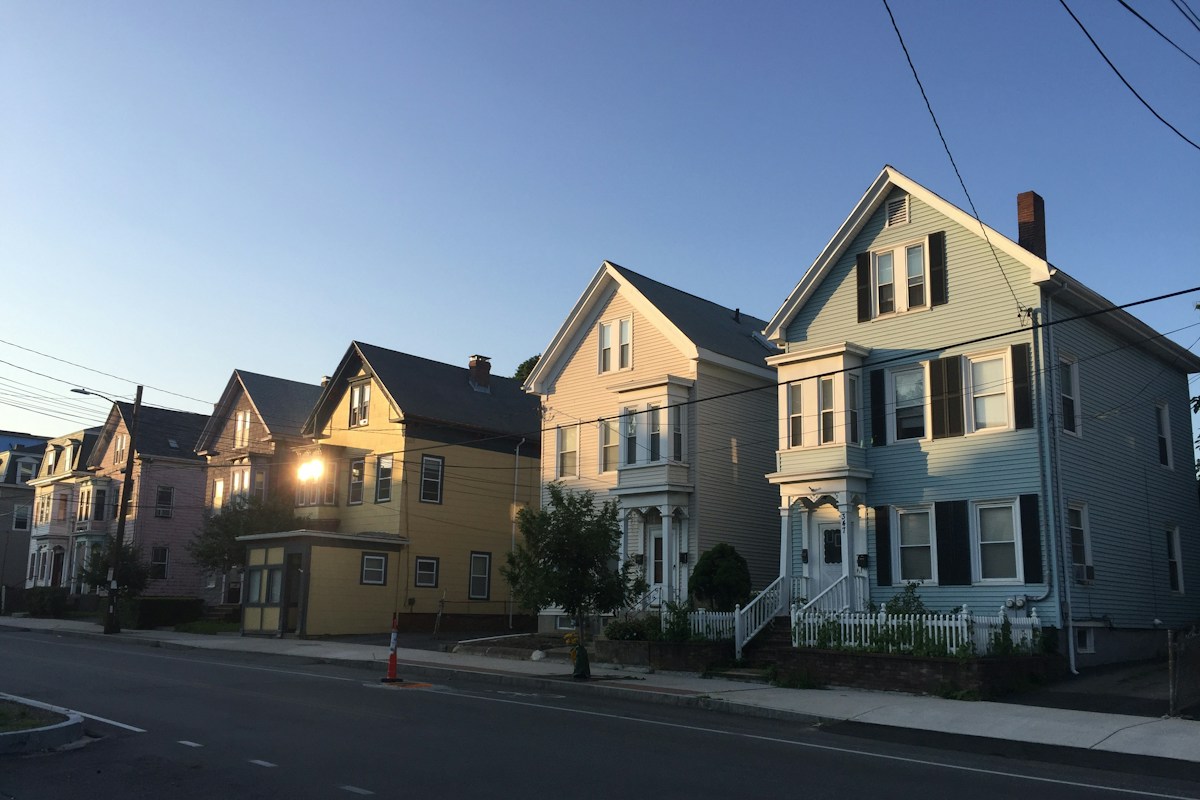
Urban multi-family rental housing in high-demand metropolitan markets has experienced intense financialization over recent decades, with institutional private equity syndicates, global asset management funds, and speculative real estate trusts acquiring naturally occurring affordable housing (NOAH) portfolios at an unprecedented velocity. When private investment entities acquire aging rental properties, their primary investment thesis frequently relies upon aggressive tenant repositioning strategies, implementing substantial rent increases, executing mass evictions under the pretext of cosmetic renovations, and converting working-class apartments into high-yield luxury residences. In response to the destabilization of vulnerable neighborhoods and the rapid erosion of unsubsidized affordable rental stock, progressive municipal governments have enacted transformative antidisplacement legislation centered on Tenant Opportunity to Purchase Acts (TOPA) and Community Opportunity to Purchase Acts (COPA).
Statutory Architecture of the District of Columbia TOPA Framework
The District of Columbia TOPA statute serves as the foundational legislative blueprint studied and adapted by municipal policymakers nationwide. The statute establishes a highly structured, legally binding procedural timeline that a property owner must follow before transferring title to any residential property containing rental accommodations. The statutory trigger occurs whenever an owner issues a formal notice of intent to sell, executes a third-party purchase and sale agreement, or engages in corporate ownership transactions that effectively transfer majority controlling equity interest in the entity holding real property title. Failure to comply with statutory notice obligations renders any subsequent third-party sale legally voidable, subjecting the non-compliant seller to severe civil liabilities and mandatory injunctions.
The procedural mechanics of TOPA are calibrated precisely according to the scale of the residential asset, categorizing properties into single-family dwellings, accommodations consisting of two to four units, and large multi-family buildings comprising five or more units. For large multi-family properties, the statutory timeline requires the owner to deliver a comprehensive formal Offer of Sale and Notice of Intent to Sell directly to every tenant household, with simultaneous legal service transmitted to the District Department of Housing and Community Development (DHCD). The offer must disclose the proposed asking price, underlying contractual terms of any pending third-party contract, and a standardized building information packet detailing operating income statements, capital expenditure logs, and utility payment records.
Upon receipt of the Offer of Sale, tenants in properties with five or more units are granted a statutory 45-day window to organize a recognized tenant association and file a formal Statement of Interest with the municipal housing department. If the tenant association successfully incorporates and files within this window, they are awarded an exclusive 120-day negotiation period to execute a legally binding purchase and sale contract with the property owner. Following contract execution, the statute provides an additional 120-day financing contingency period, extendable up to 240 days if a private or institutional lending institution certifies that loan processing is proceeding in good faith. This deliberate statutory pacing counterbalances the immense structural advantage typically enjoyed by institutional cash buyers, providing working-class tenants with adequate operational runway to assemble complex public-private financing stacks.
Tenant Organizing Mechanics and Formation of Democratic Associations
The successful execution of a TOPA transaction depends on the rapid mobilization, internal cohesion, and democratic governance of the resident community. When an Offer of Sale is delivered, tenants typically confront immediate fear, confusion, and skepticism, often fueled by predatory landlord communications designed to discourage collective action. Overcoming these initial psychological barriers requires immediate intervention by experienced community organizing networks, bilingual legal aid attorneys, and technical assistance providers who guide tenants through the complex administrative procedures required by municipal law.
Under statutory guidelines, tenants must formally establish a legally recognized tenant association governed by adopted bylaws, an elected board of directors, and open voting protocols where each residential household commands exactly one equal vote regardless of apartment square footage or rental rate. The tenant association must incorporate as a formal non-profit legal entity under state corporation law, obtain a federal employer identification number (EIN), and register with municipal business licensing bureaus. Democratic governance structures ensure that all major strategic decisions, including selecting legal counsel, hiring architectural inspectors, evaluating financing proposals, and deciding whether to assign purchase rights to a Community Land Trust, are determined through transparent majority votes conducted in the primary languages spoken by residents.
Beyond internal organizational mechanics, the tenant association must establish strategic external alliances with municipal housing officials, mission-driven non-profit lenders, and community development financial institutions (CDFIs). Housing organizers affiliated with the National Low Income Housing Coalition (NLIHC Community Stabilization Network) emphasize that building technical capacity within the tenant board is vital for long-term operational viability. Tenant leaders must acquire foundational competencies in financial literacy, property management oversight, capital reserve planning, and fair housing law, transforming disenfranchised renters into sophisticated collective stewards of multi-million-dollar urban real estate assets.
Right of First Refusal Versus Right of First Offer Legal Doctrines
Within the broader legal taxonomy of real estate acquisition rights, municipal preservation statutes deploy two distinct structural mechanisms: the Right of First Offer (ROFO) and the Right of First Refusal (ROFR). Distinguishing between these two statutory mechanisms is critical for both property owners assessing transaction liquidity and tenant advocates formulating preservation campaigns. An improperly structured ordinance that fails to establish clear valuation dispute mechanisms can result in protracted litigation, stalled property conveyances, and market paralysis.
Under a pure Right of First Offer framework, the property owner is legally mandated to notify the tenant association or qualified non-profit entity of their desire to sell before marketing the property publicly. The tenants are provided an exclusive window, typically 30 to 60 days, to submit a bona fide purchase offer. If the owner rejects the tenant offer, the owner is legally liberated to market the property to private third-party buyers on the open market, provided the property is not subsequently sold for a price lower than the price offered by the tenants. While a ROFO provides tenants with an early seated position at the negotiating table, it affords minimal protection against speculative pricing, as sellers routinely establish hyper-inflated asking prices that working-class tenant associations cannot match.
Conversely, a statutory Right of First Refusal (ROFR) grants tenants the absolute legal authority to match the exact financial terms and purchase price of any fully executed, bona fide third-party contract secured by the property owner on the open market. Under a ROFR, the seller negotiates with private market buyers, but any executed agreement remains conditional and subject to the tenant statutory right to step into the shoes of the third-party purchaser. To prevent collusive or fraudulent third-party contracts, where a seller arranges an artificially inflated price with a friendly buyer to break tenant acquisition rights, robust TOPA statutes establish binding independent appraisal arbitration protocols. If the tenant association demonstrates that the third-party contract price exceeds fair market value by an unreasonable margin, the statute empowers licensed independent appraisers to establish a legally binding fair market valuation that governs the transaction.
Community Opportunity to Purchase Acts and Qualified Assignee Systems
While the District of Columbia TOPA model confers purchase rights directly upon residential tenants, several pioneering West Coast jurisdictions, including San Francisco and Berkeley, California, have developed an alternative statutory framework known as the Community Opportunity to Purchase Act (COPA). The COPA model addresses a persistent practical challenge inherent in traditional TOPA programs: the immense administrative and logistical difficulty of organizing low-income, multi-lingual tenants within compressed statutory timeframes. COPA bridges this operational gap by vesting statutory purchase opportunities directly in a vetted roster of certified non-profit housing developers and Community Land Trusts, designated as Qualified Non-Profit Entities (QNPEs).
Under the San Francisco COPA ordinance (San Francisco Administrative Code Chapter 41D), owners of residential buildings containing three or more dwelling units must notify all certified QNPEs simultaneously whenever they intend to sell the property. Qualified non-profits are granted a statutory five-day window to express interest in submitting an offer, followed by an exclusive 25-day negotiation period to conduct initial due diligence and submit a formal purchase proposal. If the owner rejects the non-profit offer and subsequently enters into a contract with a private commercial buyer, the certified non-profit is granted an absolute statutory Right of First Refusal, possessing fourteen days to match the private buyer terms and acquire the asset.
Community Land Trust Operational Architecture and Ground Lease Mechanics
The legal mechanism that operationalizes the CLT model is the 99-year Ground Lease, a sophisticated real property contract that separates fee simple ownership. The Community Land Trust retains perpetual fee simple ownership of the underlying land parcel, while leasing the ground to the building owner, whether an individual homeowner, a tenant-led cooperative, or a non-profit operating entity. The ground lease is executed with statutory 99-year terms, automatically renewable in perpetuity, and is recorded directly against municipal land title records as a senior encumbrance that binds all successive building owners, mortgage lenders, and heirs.
Limited-Equity Housing Cooperatives: Democratic Ownership and Wealth Building
For tenant associations exercising TOPA purchase rights who desire collective self-governance rather than traditional tenant status under a non-profit landlord, the Limited-Equity Housing Cooperative (LEHC) stands as the premier institutional vehicle. An LEHC is a specialized corporate entity that owns the physical multi-family residential building, while individual residents own membership shares in the cooperative corporation rather than real property fee title. Each membership share corresponds to a proprietary lease that confers the exclusive, permanent legal right to occupy a specific residential apartment within the building.
The defining operational hallmark of an LEHC is its formulaic share appreciation restriction, which strikes a deliberate balance between household wealth accumulation and permanent community preservation. In a conventional market-rate housing cooperative, membership shares trade freely at unrestricted market prices, exposing units to speculative inflation. In a Limited-Equity Cooperative, the corporate charter and bylaws strictly cap the maximum resale price of member shares. A departing member is legally entitled to recover their original share purchase price, the verified value of pre-approved capital improvements made to their unit, and a modest annual interest accrual, typically capped between one percent and three percent, or tied directly to the Consumer Price Index (CPI).
This limited-equity formula prevents speculative windfall profits, guaranteeing that when an existing member vacates the cooperative, the incoming buyer can purchase the membership share for an affordable down payment accessible to working-class families. Governance within an LEHC is entirely democratic, adhering to international cooperative principles where each resident household commands one vote on the board of directors. The elected tenant board manages corporate operating budgets, enforces building maintenance standards, coordinates collective mortgage debt payments, and determines capital improvement priorities, fostering profound civic empowerment and community stability.
Capital Stack Synthesis: Financing Non-Profit and Cooperative Acquisitions
Securing adequate capital to finance the acquisition and rehabilitation of multi-family rental buildings under TOPA and COPA statutes is the single most formidable hurdle confronting tenant associations and non-profit sponsors. Unlike conventional private equity buyers who deploy private syndication funds or high-leverage commercial bridge debt, mission-driven preservation teams must assemble highly complex, multi-tiered capital stacks that blend municipal subordinate debt, below-market philanthropic loans, private mortgage financing, and equity contributions within compressed closing windows.
The foundational layer of a preservation capital stack is senior mortgage debt provided by Community Development Financial Institutions (CDFIs) or progressive mission-aligned commercial banks. However, because restricted affordable rents support only modest net operating income (NOI), senior mortgage proceeds rarely cover more than 40 percent to 50 percent of total acquisition and rehabilitation costs. To bridge this structural financing gap, development sponsors must secure subordinate soft debt from municipal affordable housing trust funds, Community Development Block Grants (CDBG), or state-administered housing trust resources. These municipal soft loans feature extended 30- to 50-year maturities, zero- to three-percent interest rates, and deferred repayment terms linked strictly to available surplus operating cash flows.
Physical Condition Assessments, Capital Needs, and Environmental Scrutiny
Properties subject to TOPA and COPA acquisition campaigns are predominantly aging multi-family buildings that have suffered decades of deferred maintenance and systematic physical neglect under absentee private landlords. Consequently, executing exhaustive physical due diligence during statutory contingency periods is essential to prevent tenant associations from acquiring catastrophic financial liabilities. The cornerstone of this physical assessment is the professional Capital Needs Assessment (CNA) and ASTM-standard Property Condition Assessment (PCA), conducted by licensed structural engineers and architectural consultants.
The CNA provides an exhaustive, component-by-component engineering evaluation of all structural, mechanical, electrical, and plumbing building systems. Engineers assess the remaining useful life of building roofs, masonry facades, foundation walls, central boiler plants, vertical piping stacks, and electrical service panels, projecting necessary capital replacement costs across a comprehensive 20-year operational horizon. In aging urban centers, environmental evaluations must also include rigorous sampling for lead-based paint hazards, friable asbestos insulation, subterranean radon gas concentrations, and mold infestations resulting from prolonged plumbing leaks.
The empirical findings of the CNA directly dictate the sizing of the project rehabilitation budget and long-term capital replacement reserves. If the assessment reveals immediate life-safety hazards or systemic structural failures, the development sponsor must negotiate substantial purchase price reductions with the seller or incorporate comprehensive rehabilitation escrows into the senior financing stack. For properties transitioning to tenant cooperative ownership, securing sufficient upfront rehabilitation financing is vital to ensure that building systems are fully modernized, energy efficiency is maximized, and residents are insulated against massive, unexpected emergency maintenance assessments during their initial years of collective self-governance.
Displacement Mitigation, Relocation Protocols, and Fair Housing Protections
Preserving multi-family properties through TOPA and COPA frameworks must be executed with an unwavering commitment to zero displacement of existing residents. When an acquisition campaign incorporates substantial physical rehabilitation, such as whole-building plumbing replacement, structural seismic retrofits, or full electrical rewiring, development teams must manage complex tenant relocation logistics while safeguarding tenant civil rights under the federal Fair Housing Act and Uniform Relocation Assistance and Real Property Acquisition Policies Act (URA).
To eliminate displacement risk, property managers execute temporary, phased relocation plans that minimize disruption to resident livelihoods. Whenever feasible, rehabilitation work is executed using on-site hospitality suites or rotating hotel accommodations, allowing residents to remain in their immediate neighborhood and maintain consistent school attendance for children. If temporary off-site relocation is unavoidable, development budgets must fully absorb all moving expenses, utility transfer fees, supplemental storage costs, and temporary rental differentials, ensuring that low-income families incur zero out-of-pocket expenses during the renovation process.
Perpetual Stewardship, Governance Auditing, and Default Mitigation
The long-term resilience of preserved housing communities requires institutional stewardship systems that endure decades after the initial acquisition closing champagne has faded. While market-rate developments rely on private property management agencies whose primary loyalty is shareholder profit maximization, Community Land Trusts and cooperative federations provide perpetual mission-driven oversight, ongoing technical education, and proactive operational auditing.
CLT stewardship divisions conduct annual operational and governance audits of all properties within their land trust portfolio. Monitoring officers review annual financial operating statements, verify that mandatory replacement reserve escrows are funded on schedule, audit building insurance policies for adequate liability and hazard coverage, and verify that all tenant certifications comply with recorded Area Median Income restrictions. For Limited-Equity Cooperatives, the land trust provides ongoing board governance training, facilitating conflict resolution between neighbors, educating newly elected tenant directors on financial balance sheet management, and assisting with annual capital improvement planning.
Legal Structuring of Assignment Agreements and Tenant Partnership Compacts
In jurisdictions where tenant associations lack the immediate financial liquidity or technical experience to execute a direct building acquisition independently, statutory TOPA frameworks permit the legal assignment of purchase rights to a qualified third-party partner. The assignment of TOPA rights is not an informal endorsement; it represents a sophisticated real property legal transaction executed through a binding Development Assignment Agreement and Tenant Partnership Compact. This contractual framework establishes the precise legal obligations, governance rights, and affordability covenants that will govern the property post-acquisition, protecting residents from bad-faith non-profit partners or unintended mission drift.
A properly structured Assignment Agreement establishes non-negotiable tenant protections that must be recorded against land title simultaneously with the deed conveyance. The agreement stipulates that the assignee developer must maintain permanent rent restrictions, prohibiting any future conversion to market-rate pricing even if underlying public subsidy contracts expire. The agreement also outlines explicit tenant governance rights, such as granting the tenant association permanent seats on the building management advisory committee, establishing mandatory quarterly financial transparency reviews, and requiring majority tenant approval before the developer can execute major structural alterations or encumber the property with subordinate debt.
Underwriting Energy Decarbonization and Electrification in Multi-Family Portfolios
Acquiring aging naturally occurring affordable housing under TOPA and COPA frameworks presents a transformative opportunity to address environmental justice and climate resilience in historically disinvested urban neighborhoods. Many properties subject to preservation campaigns feature inefficient building envelopes, single-pane drafty windows, uninsulated masonry walls, and obsolete fossil-fuel heating systems, such as central oil-fired boilers or atmospheric gas furnaces. These legacy mechanical systems impose crushing utility burdens on low-income working families, with energy bills frequently consuming ten percent to fifteen percent of gross household earnings, while generating massive greenhouse gas emissions that degrade local air quality.
Modern preservation development teams integrate deep energy decarbonization and comprehensive electrification into initial acquisition underwriting pro formas. By leveraging federal incentives under the Inflation Reduction Act, such as Section 45L New Energy Efficient Home Credits, Section 179D Commercial Buildings Energy Efficiency Deductions, and state-administered Green Bank capital facilities, non-profit developers assemble specialized sustainability capital stacks. Comprehensive rehabilitation plans replace obsolete fossil-fuel heating plants with centralized variable refrigerant flow (VRF) electric heat pumps, install high-efficiency heat pump water heaters, upgrade electrical service panels to accommodate 400-amp capacity, and install rooftop solar photovoltaic (PV) arrays paired with battery energy storage systems.
Executing deep building decarbonization yields profound operational and financial benefits that reinforce long-term property solvency. High-performance building envelopes and all-electric mechanical systems compress whole-building energy consumption by 40 percent to 60 percent, insulating properties against volatile fossil-fuel price spikes and dramatically reducing monthly utility allowances. These structural utility savings translate directly into higher allowable net contract rents that support permanent mortgage debt service, while modern balanced mechanical ventilation systems filter urban particulates and eliminate indoor combustion byproducts, dramatically reducing childhood asthma rates and enhancing resident health.
Secondary Market Liquidity and CDFI Loan Syndication Networks
Scaling municipal TOPA and COPA preservation ecosystems beyond isolated boutique transactions requires deep, institutional secondary market liquidity capable of refinancing short-term acquisition debt into permanent capital. Traditional government-sponsored enterprises (GSEs), such as Fannie Mae and Freddie Mac, historically struggled to underwrite loans on properties subject to complex limited-equity cooperative charters or 99-year community land trust ground leases, viewing shared-equity resale caps and non-standard ownership titles as potential liquidity risks. Overcoming these institutional capital barriers has required groundbreaking financial innovation pioneered by Community Development Financial Institutions (CDFIs).
Specialized non-profit financial intermediaries, including the Local Initiatives Support Corporation (LISC), Enterprise Community Partners, and the Low Income Investment Fund (LIIF), have established dedicated preservation loan syndication consortia. These financial networks aggregate capital from national philanthropic foundations, social impact investors, and regional commercial banks seeking regulatory credit under the Community Reinvestment Act (CRA). By pooling capital into multi-million-dollar preservation debt facilities, CDFIs provide flexible acquisition bridge loans with loan-to-cost ratios reaching 90 percent to 95 percent, rapid five-day loan approval turnarounds, and patient interest-only terms that match statutory TOPA negotiation schedules.
Concurrently, advocacy by national shared-equity coalitions has successfully modernized GSE underwriting guidelines. Both Fannie Mae and Freddie Mac have established dedicated shared-equity loan purchase programs that accept standardized Community Land Trust ground lease riders and limited-equity cooperative share mortgages. This institutional breakthrough allows primary lenders to originate 30-year fixed-rate mortgages on CLT and cooperative properties with the full backing of the federal secondary market, unlocking billions of dollars in low-cost institutional liquidity and establishing permanent financial pipelines that sustain community-owned affordable housing across the United States.
Multi-Family Housing Preservation Frameworks Comparative Diagnostic Matrix
Evaluating municipal housing preservation policies requires urban planners, elected officials, and housing advocates to assess competing legal frameworks across criteria of tenant empowerment, transaction speed, financial complexity, and permanent affordability security. Selecting the optimal policy depends on local market velocity, tenant organizational density, and municipal capital liquidity.
The comparative diagnostic matrix below delineates the legal, operational, and structural distinctions between the three predominant multi-family preservation frameworks deployed across urban jurisdictions in the United States.
| Policy Dimension | Tenant Opportunity to Purchase (TOPA) | Community Opportunity to Purchase (COPA) | Community Land Trust Ground Lease |
|---|---|---|---|
| Primary Rights Holder | Democratic Tenant Association of building residents | Certified Qualified Non-Profit Entities (QNPEs) | Non-profit Community Land Trust board of trustees |
| Statutory Trigger Event | Property owner notice of intent to sell or transfer title | Property owner notice of intent to sell multi-family parcel | Execution of fee simple land acquisition conveyance |
| Typical Statutory Timelines | Extensive (45 days interest + 120 negotiation + 120 financing) | Compressed (5 days interest + 25 negotiation + 14 ROFR) | Standard negotiated commercial real estate purchase closing |
| Ownership Structure Options | Limited-equity co-op, non-profit ownership, or CLT title | Non-profit rental housing or partnership with CLT | Bifurcated: CLT owns land; building owned by co-op or non-profit |
| Resident Wealth Building | Moderate via limited-equity cooperative share growth | Minimal (primarily stabilized below-market rental pricing) | Controlled wealth accumulation via shared-equity resale formula |
| Affordability Duration | 30 to 50 years depending on municipal covenant terms | 55 years to perpetual deed restrictions recorded at closing | Perpetual (99-year renewable ground lease covenant running with land) |
| Capacity Building Burden | Extremely high: requires massive tenant organizing support | Moderate: relies on established non-profit housing staff | High ongoing: requires perpetual community stewardship staff |
Furthermore, institutional lenders and public allocating agencies recognize that Community Land Trust governance creates unprecedented structural protections against loan default and property abandonment. In traditional affordable housing finance, a sudden surge in tenant unemployment or escalating insurance premiums can quickly destabilize debt service coverage ratios, leading to commercial foreclosure and the permanent loss of deed restrictions. Within a CLT shared-equity ecosystem, the land trust acts as an active tripartite partner that monitors property balance sheets quarterly, provides preventative financial counseling, and maintains dedicated emergency backstop reserves. This institutional buffer reassures bond-issuing authorities and private financial institutions, facilitating favorable interest rate spreads and extended loan amortization terms that maximize the buying power of public preservation dollars.
Frequently Asked Questions About TOPA and Community Land Trusts
What is a Tenant Opportunity to Purchase Act in municipal housing policy?
A Tenant Opportunity to Purchase Act (TOPA) is a local statute that legally requires residential landlords to offer tenants the first opportunity to purchase their rental building before the property can be sold on the open commercial market.
How does TOPA differ from a Community Opportunity to Purchase Act?
TOPA confers exclusive purchase and negotiation rights directly upon the tenants residing in the building, whereas COPA grants statutory purchase rights and rights of first refusal to certified non-profit housing developers and Community Land Trusts.
What is a Limited-Equity Housing Cooperative?
A Limited-Equity Housing Cooperative (LEHC) is a residential corporation where tenants purchase membership shares that grant occupancy rights, with future share resale prices strictly restricted by formula to prevent speculation and preserve affordability for future buyers.
What occurs if a landlord sells a building without adhering to TOPA mandates?
Transactions executed in violation of statutory TOPA requirements are legally voidable in court. Municipalities and tenant associations possess statutory standing to freeze conveyances, impose severe financial penalties, and compel fair market sales to tenants.
How are purchase prices established during a TOPA negotiation?
Sellers issue an initial asking price in their statutory Offer of Sale. If tenants exercise a Right of First Refusal, they match the bona fide third-party contract price. In valuation disputes, independent appraisal arbitration establishes binding fair market pricing.
What public funding sources finance TOPA and COPA property acquisitions?
Acquisitions are financed by blending municipal affordable housing trust funds, Community Development Block Grants (CDBG), federal Housing Trust Fund allocations, low-interest CDFI loans, and philanthropic preservation equity.
Does a TOPA acquisition lead to displacement during building rehabilitation?
No. Robust TOPA frameworks enforce strict zero-displacement protections, requiring development sponsors to fund temporary hospitality suites or cover all relocation costs, while guaranteeing all tenants the absolute right to return to their modernized units.
Empirical policy evaluations conducted across five decades of District of Columbia housing preservation initiatives confirm that municipal investments in tenant ownership yield extraordinary community dividends. Longitudinal studies tracking subsidized cooperatives established under early TOPA ordinances demonstrate that resident-owned buildings maintain higher occupancy stability, lower delinquency rates, and superior physical maintenance records compared to privately managed absentee-landlord portfolios in the same urban submarkets. By eliminating speculative shareholder distributions, cooperative housing associations retain all operational surpluses within building reserve accounts, allowing communities to weather localized economic downturns, fund preventative infrastructure repairs, and preserve generational affordability without requiring recurring municipal emergency cash bailouts.
Strategic Policy Blueprint and Municipal Implementation Outlook
Arresting the displacement of working-class urban communities in an era of global real estate financialization requires transformative legal mechanisms that redefine property rights in the public interest. Tenant Opportunity to Purchase Acts and Community Land Trusts offer an empirical, battle-tested blueprint for restructuring urban housing dynamics. By providing tenants with the legal standing to challenge market speculation, empowering community land trusts to steward urban land in perpetuity, and capitalizing dedicated municipal acquisition trust funds, cities can preserve their social fabric, protect vulnerable residents, and build truly democratic urban economies that endure for generations.
Authored and Reviewed by the NHREA Editorial Board
Housing Policy Analysts, Urban Planners and Healthcare Advocates

Comments are closed