Table of Contents
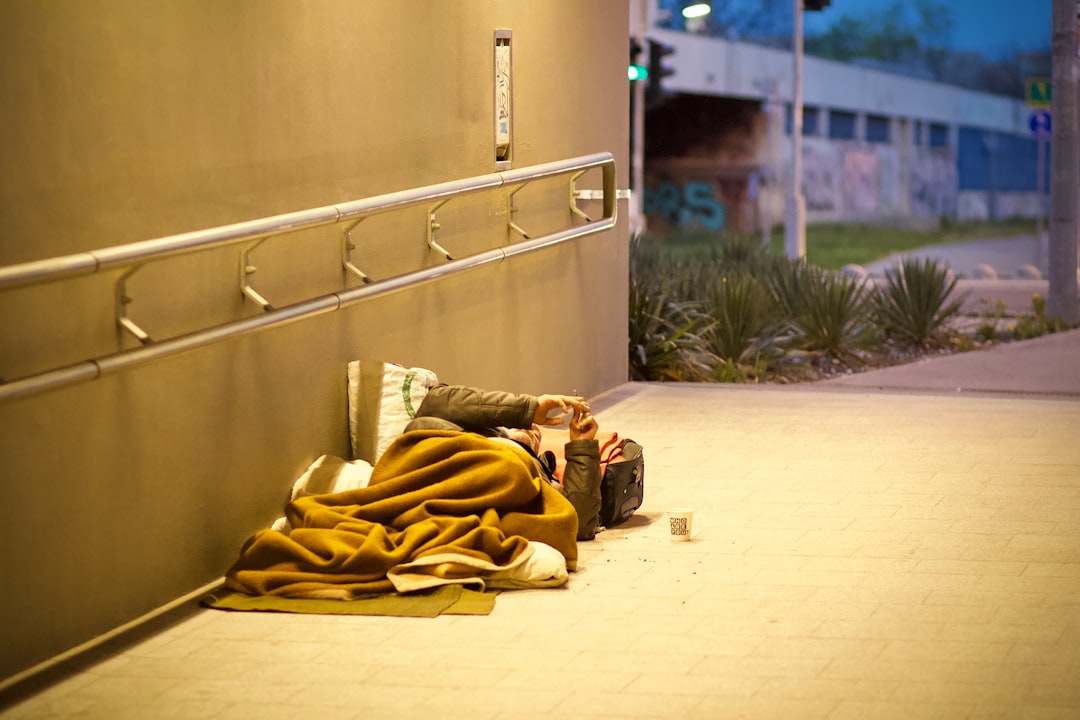
Homelessness among college students explained reveals a complex and often invisible crisis that affects a significant portion of the higher education population. While the traditional image of a college student involves dormitories and meal plans, the reality for many is a precarious struggle for basic survival. This phenomenon, often referred to as housing insecurity, encompasses a spectrum of circumstances ranging from sleeping in vehicles and couch-surfing to utilizing emergency shelters. As tuition costs rise and the availability of affordable housing near campuses shrinks, the intersection of academic pursuit and extreme poverty has become a critical concern for educators, policymakers, and student advocates. Understanding this issue requires looking beyond stereotypes to examine the systemic factors that force students to choose between their education and a roof over their heads.
The Scope and Prevalence of Student Housing Insecurity
Research indicates that housing instability among students is far more common than public perception suggests. When homelessness among college students is explained through data, it becomes clear that this is a widespread systemic issue rather than an isolated hardship. Data from the Hope Center for College, Community, and Justice suggests that a substantial percentage of undergraduates across both two-year and four-year institutions report experiencing some form of housing insecurity during their academic careers.
The definition of homelessness in this context is broad. It includes students who lack a fixed, regular, and adequate nighttime residence. This includes individuals living in cars, camping in public spaces, or moving frequently between the homes of friends or acquaintances due to a lack of permanent housing. Unlike the general homeless population, these students are often indistinguishable from their peers, frequently attending classes, participating in labs, and maintaining part-time employment while managing the psychological toll of not knowing where they will sleep at night.
Factors Contributing to the Crisis
Several interconnected variables drive the prevalence of homelessness within the student population. The most prominent factor is the widening gap between financial aid and the actual cost of attendance. While institutional aid helps cover tuition, it often fails to account for the skyrocketing costs of local rent, transportation, and food.
- Rising Tuition and Fees: The steady increase in educational costs often outpaces inflation, leaving students with fewer resources for living expenses.
- Lack of Affordable Housing: Many college towns face severe housing shortages, which drives up rent prices to levels that are unsustainable for low-income students.
- Employment Instability: Students often rely on part-time service industry jobs that offer inconsistent hours and lack benefits, making it difficult to maintain steady rent payments.
- Family Financial Support: Many students lack a safety net, meaning that a single emergency, such as a medical bill or a car repair, can result in the loss of housing.
The Impact on Academic Performance and Retention
Housing insecurity acts as a significant barrier to academic success. When a student’s primary concern is physical safety and shelter, the cognitive load required for deep learning is severely compromised. Chronic stress associated with homelessness leads to sleep deprivation, food insecurity, and health complications, all of which hinder a student’s ability to attend lectures or complete assignments.
Institutional data consistently shows that students facing housing instability are less likely to graduate on time. The pressure to prioritize immediate survival needs often forces these students to take reduced course loads or stop out of their programs entirely. This cycle creates a long-term economic disadvantage, as the students who most need the social mobility provided by a degree are the ones most likely to be pushed out of the higher education system due to their living circumstances.
Comparative Analysis of Student Housing Challenges
| Factor | Stable Housed Students | Housing Insecure Students |
|---|---|---|
| Primary Focus | Academic success and social life | Daily survival and resource acquisition |
| Financial Buffer | Savings or family support | Minimal or nonexistent savings |
| Academic Impact | Consistent attendance | Frequent absences and high withdrawal rates |
| Health Outcomes | Generally stable | High levels of stress and nutritional deficits |
Institutional and Policy Responses
Higher education institutions have begun to recognize their role in addressing this crisis. Strategies to mitigate homelessness among college students include the establishment of campus food pantries, emergency housing grants, and partnerships with local community organizations. Some universities have implemented “rapid response” teams that provide immediate assistance to students facing eviction or sudden loss of housing.
However, these measures are often reactive rather than proactive. Experts argue that systemic change, such as expanding federal financial aid to cover living costs more accurately and increasing the supply of on-campus affordable housing, is necessary to solve the root causes. Furthermore, simplifying the application process for emergency aid can help students who are too embarrassed or overwhelmed to seek help through traditional administrative channels.
Barriers to Seeking Assistance
A significant hurdle in addressing this issue is the stigma associated with homelessness. Many students are hesitant to disclose their living situation to university officials, fearing academic repercussions or social judgment. This silence makes it difficult for institutions to quantify the need accurately and allocate resources effectively. Normalizing the conversation around student poverty is a necessary step toward creating an environment where students feel safe seeking help.
Outreach programs that emphasize non-punitive support have proven effective. By integrating resource information into orientation programs and academic advising, colleges can ensure that students are aware of the support systems available before a crisis occurs. Clear, transparent communication regarding emergency funds and housing resources reduces the shame barrier and encourages early intervention.
FAQ: Addressing Common Questions
How is homelessness defined for college students? It is defined as lacking a fixed, regular, and adequate nighttime residence. This includes staying in shelters, cars, or temporary arrangements with others due to economic hardship.
Why is homelessness among college students often invisible? Students often mask their circumstances to avoid stigma, maintain their academic standing, and continue their education without drawing attention to their financial struggles.
What role does financial aid play in this crisis? While financial aid often covers tuition, it frequently falls short of the total cost of living, leaving students with a significant gap that must be filled by personal income or loans.
Can universities do more to help? Yes, institutions can implement emergency housing programs, food security initiatives, and dedicated counseling services to support students in crisis.
What are the long-term consequences of student homelessness? Beyond the immediate risk, it often leads to lower graduation rates, increased debt, and reduced long-term earning potential, perpetuating the cycle of poverty.
Conclusion: A Path Forward
Homelessness among college students explained highlights a systemic failure that requires a multi-faceted approach. To ensure that higher education remains a ladder for social mobility rather than a source of financial trauma, colleges and policymakers must prioritize the basic needs of the student body. By expanding access to affordable, on-campus housing, increasing emergency grants, and fostering a culture of support, institutions can bridge the gap for vulnerable students. Addressing this issue is not merely a matter of charity but a fundamental requirement for maintaining the integrity and accessibility of the higher education system. As the landscape of education evolves, the commitment to ensuring that every student has a safe place to sleep must remain at the forefront of the academic agenda.


Comments are closed