
Peer Support Specialist Integration and Harm Reduction Practices in Supportive Housing
The evolution of permanent supportive housing from an experimental social welfare concept into the preeminent national policy framework for resolving chronic homelessness has been driven[…]

Trauma-Informed Architectural Design and Biophilic Principles in Supportive Living Environments
The physical environment of supportive living facilities exerts a profound, continuous influence on human neurological functioning, emotional regulation, and psychological recovery. For decades, affordable and[…]

Scattered-Site Housing Models Versus Single-Site Congregate Supportive Housing Architecture
Permanent supportive housing (PSH) represents the preeminent evidence-based intervention for ending chronic homelessness among individuals living with severe psychiatric disabilities, traumatic brain injuries, and co-occurring[…]

Housing First Empirical Efficacy and Long-Term Retention Metrics in Permanent Supportive Housing
Chronic homelessness in the United States represents one of the most complex, urgent public health and humanitarian crises confronting modern urban governance. For decades, conventional[…]

National Housing Trust Fund Allocation Rules and State-Level Preservation Priorities
The acute shortage of deeply affordable rental housing in the United States represents an enduring structural crisis that disproportionately impacts households surviving on poverty-level wages,[…]

Eviction Diversion Judicial Frameworks and Right-to-Counsel Legislation in Tenant Defense
The eviction docket of municipal and county civil courts in the United States functions as a primary institutional conveyor belt driving low-income families into chronic[…]

Housing Choice Voucher Portability Standards and Fair Market Rent Recalculation Protocols
Federal rental assistance administered through the Housing Choice Voucher (HCV) program under Section 8 of the United States Housing Act of 1937 represents the nation[…]
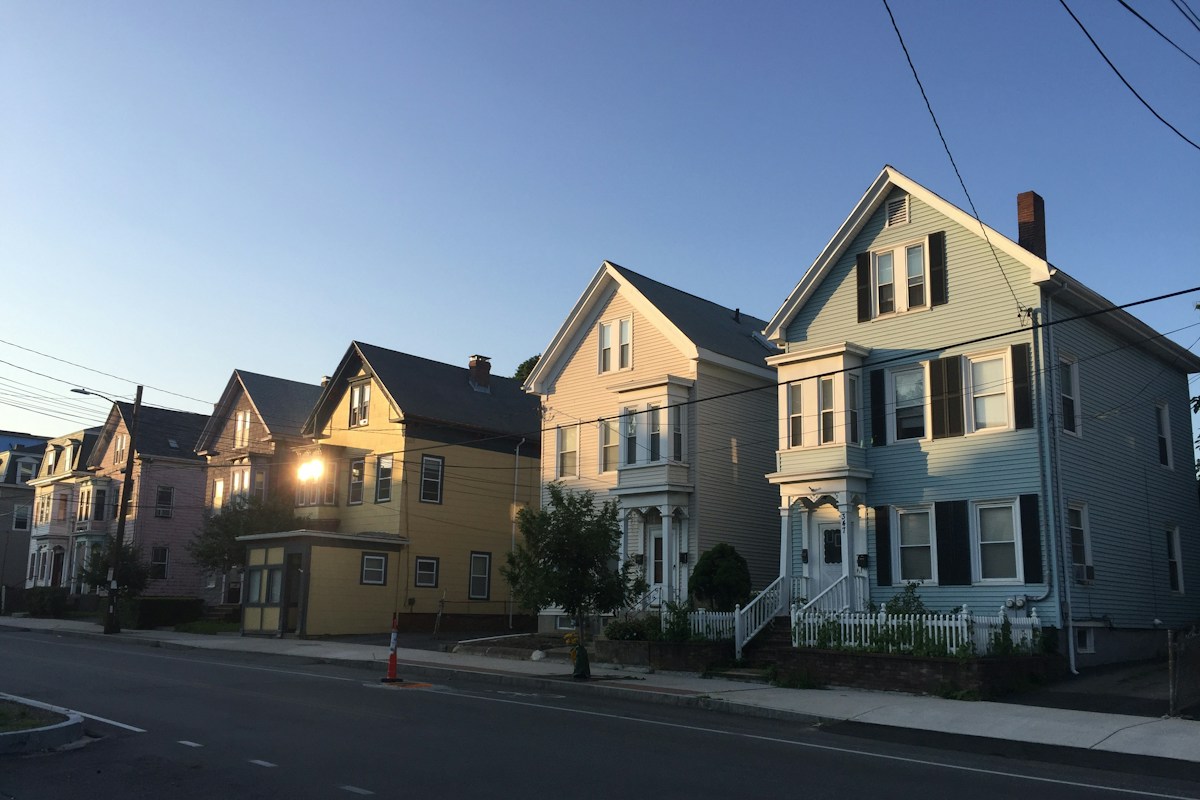
Tenant Opportunity to Purchase Acts and Community Land Trust Preservation Strategies
Urban multi-family rental housing in high-demand metropolitan markets has experienced intense financialization over recent decades, with institutional private equity syndicates, global asset management funds, and[…]

Inclusionary Zoning Policies and Municipal Density Bonuses for Mixed-Income Urban Housing
Municipal land use regulation in the United States has undergone a profound transformation as urban centers confront unprecedented housing affordability deficits tracked by the U.S.[…]

Federal Low-Income Housing Tax Credit Expansion Guidelines and Developer Compliance Protocols
Federal affordable housing production in the United States relies overwhelmingly on private capital mobilized through tax equity incentives, with Section 42 of the Internal Revenue[…]

© 2026 NHREA. All rights reserved.